According to Iran International's investigation based on leaked Parsian Bank documents, the bank transferred millions in dollars abroad despite U.S. sanctions through its own exchange house "Parsian Exchange." The investigation is based on documents covering November 2022–June 2023 and shows that the Central Bank of Iran and other financial institutions also used Parsian Exchange to facilitate payments.
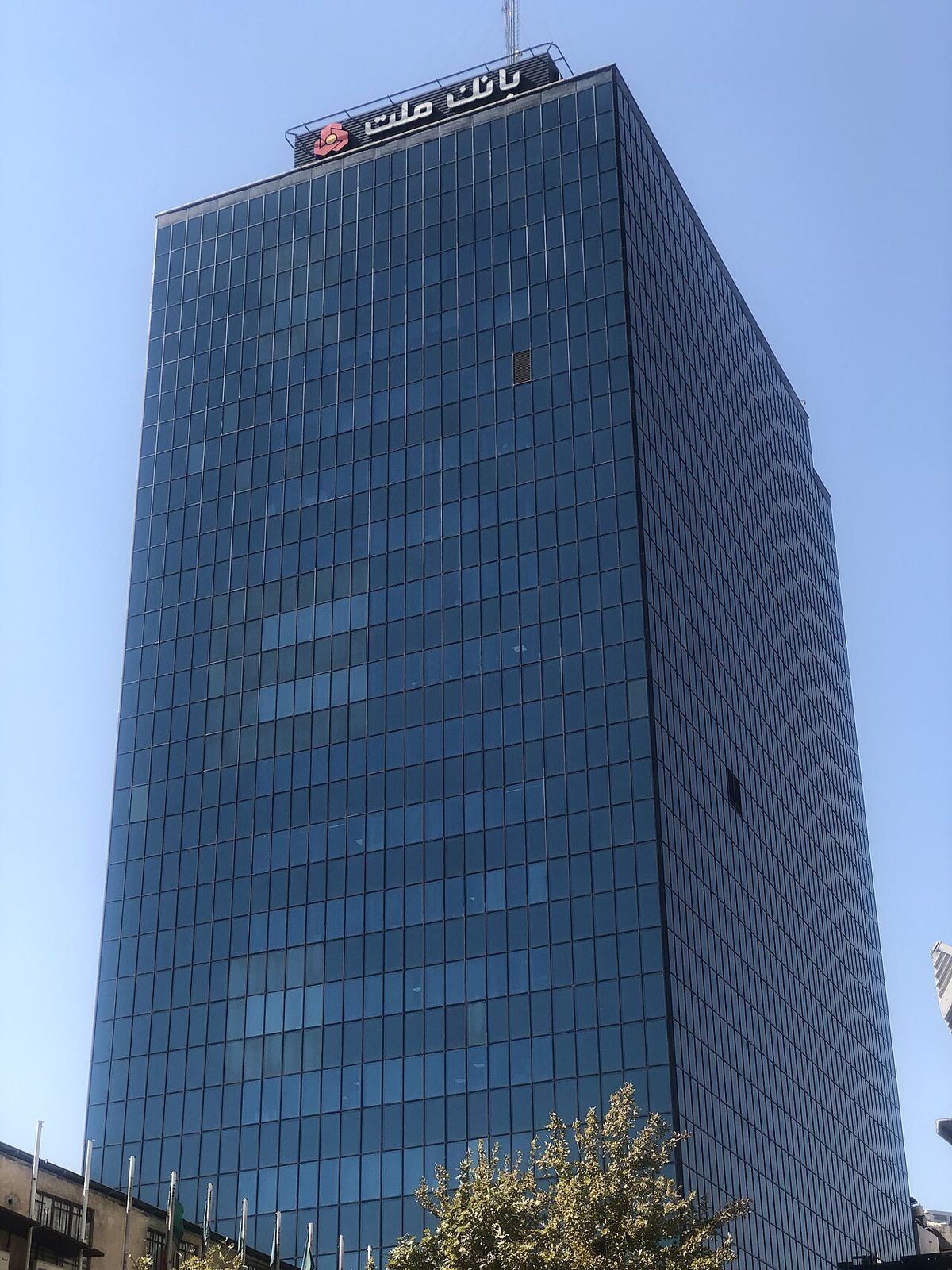
According to Iran International's report, the documents reveal that Parsian Bank similarly sent letters to international operations units of other U.S.-sanctioned Iranian banks—including Saman, Shehr, Eqtesad-e Noven, Tourism Bank, Melli, and Millet banks—concerning international transactions. These letters specified that foreign currency purchased from the Central Bank was kept in an escrow account at a third bank and would be transferred to a foreign bank account specified by the importer; however, Iran International notes that the transfer was conducted not on behalf of government, banks, or state institutions, but through an indirect "karsazi" (payment routing) process.
According to Iran International's report, a special company managing Parsian Bank's foreign payments was also identified, and in July 2026 the Treasury Ministry added an exchange house to its sanctions list citing an existing contract with this company. According to Baker McKenzie's sanctions bulletin, the U.S. Treasury applied multiple waves of sanctions against Iran's "shadow banking" network within 2026 and targeted exchange houses moving billions in dollars on behalf of sanctioned Iranian banks; this aligns with the general sanctions pattern Iran International claims regarding the Parsian-exchange connection, but Parsian Exchange's specific name could not be verified in U.S. official sanctions decisions.
According to Iran International's report, Parsian Bank owned nearly all shares of Parsian Exchange, approximately 90 percent directly through the bank and roughly 10 percent through the bank's investment arm Parsian Financial Group; the bank had served on the board of Tadbir Investment Group representing Tadbir Industrial and Mining Development Company, holdings of the Supreme Leader's Execution of Imam Khomeini's Order, since 2013.
According to Iran International's report, the term "karsazi" in the documents describes a process in which money is routed through a series of intermediary accounts until reaching the final recipient; this method aims to reduce the risk that direct bank transfers will be caught in sanctions monitoring. According to the report, Parsian Bank also served on the board of Sepehr Exchange, affiliated with Bank Saderat, between 2006 and 2008; this indicates that the bank's presence in the exchange sector is not a new practice but has long historical roots.
Context
Parsian Bank had previously been subject to U.S. sanctions; according to earlier statements by the Treasury Ministry, Cyrus Bank, which the bank owned, was accused of routing oil revenues through Kunlun Bank in China to the Revolutionary Guards. Today's investigation provides concrete documentary examples of how this sanctions history continued in practice through the exchange network.
The fact that all other banks named in the report (Melli, Millet, Saman, Shehr, Eqtesad-e Noven, Tourism Bank) are under U.S. sanctions indicates that mutual exchange house services among sanctioned institutions is a common practice in Iran's banking sector. This reflects a financial architecture similar to the sanctions-evasion pattern seen in the U.S. Iran automotive sanctions report involving an Istanbul-based company.
For information only; not investment advice.