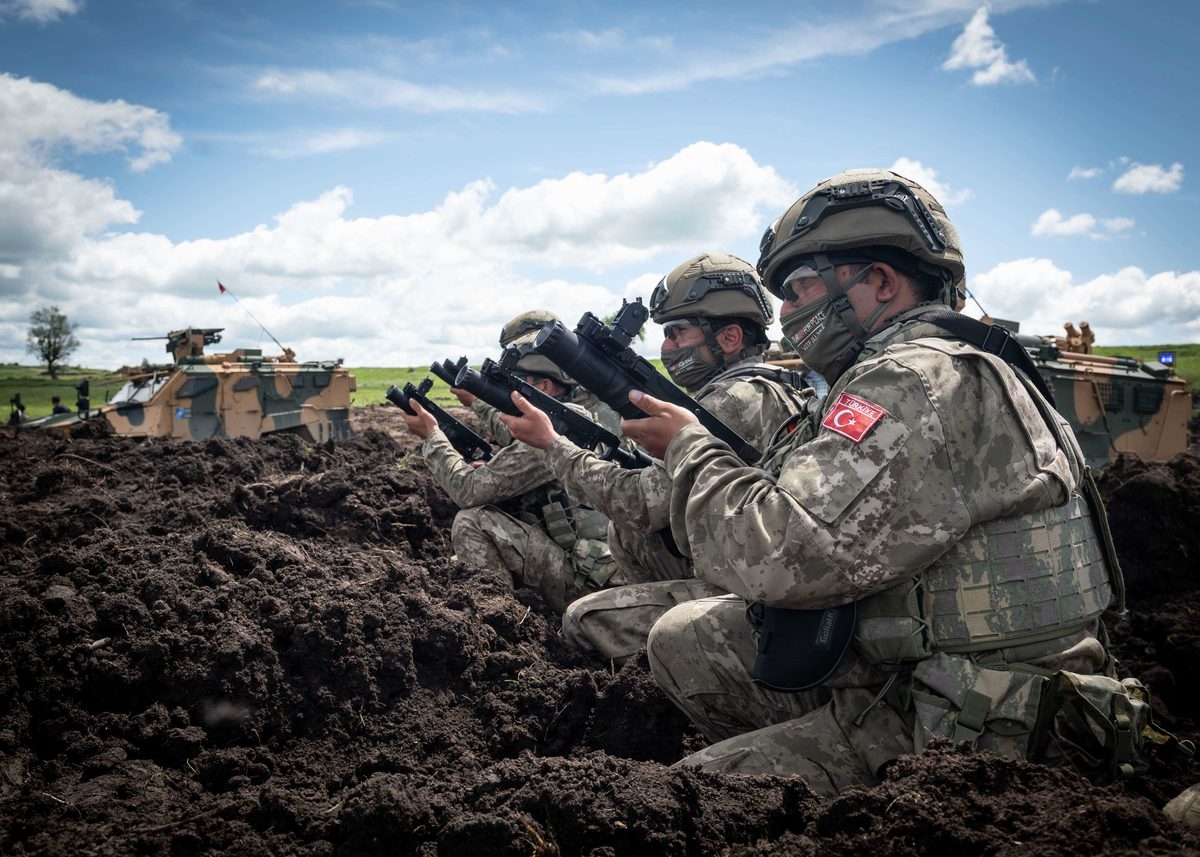
According to Ettelaat newspaper, reporting via the Tasnim News Agency, Turkey is preparing to send additional military personnel and air defense systems to Saudi Arabia as Houthi attacks against the kingdom intensify. The report states that the primary purpose of the move is to protect Saudi Arabia's critical energy infrastructure, specifically the East-West Pipeline. The English news site Middle East Eye independently verified this plan based on multiple sources.
According to Ettelaat's report, the support package includes shipment of advanced military equipment, technical personnel deployment, and likely stationing of combat aircraft, pilots, and special forces units on Saudi Arabian territory. According to Middle East Eye, Turkey has maintained technical teams, air defense systems, and electronic warfare equipment in Saudi Arabia since last year to protect energy facilities and other critical infrastructure; the new move will send additional equipment, technicians, rapid response teams, and combat forces to accompany these units.
According to Al-Monitor, Turkey and Pakistan have agreed to prepare rapidly deployable forces and military support to Saudi Arabia within the framework of the "Mecca Alliance," a trilateral defense pact. According to the same report, this move was taken during a period when Houthis continue attacks on Saudi oil infrastructure and Red Sea tankers, and clashes between Saudi-backed Yemeni forces and Houthis have intensified; one attack had temporarily halted oil pumping from the East-West Pipeline to the Red Sea.
Context
Defense cooperation between Turkey and Saudi Arabia has accelerated in recent years; the two countries maintain regular contact on energy security and regional stability issues. Turkish Foreign Minister Hakan Fidan and his Saudi counterpart Prince Faisal bin Farhan recently discussed attacks on Saudi Arabia and regional security by telephone. The military details in this report derive from Tasnim/Ettelaat sources; information has been verified by independent reporting from Middle East Eye and Al-Monitor.
The East-West Pipeline carries crude oil from Saudi Arabia's eastern oil production regions to the Red Sea port of Yanbu, allowing Riyadh to maintain oil exports without relying on the Strait of Hormuz. This strategic importance of the route explains why Houthi attacks specifically target this facility; according to Middle East Eye, a past attack temporarily halted the pipeline's pumping operations to the Red Sea.
Turkey's move is part of the same regional tension chain as the explosions and Aramco fire reported in Riyadh on the same day and the earlier report on Saudi Arabia's preparations to recover Bab al-Mandab. The Mecca Alliance is described as a trilateral arrangement for security and defense cooperation between Turkey, Pakistan, and Saudi Arabia; all three are predominantly Sunni and share historical military and economic ties with Saudi Arabia.
Turkey's defense industry has rapidly expanded regional exports in recent years; unmanned aerial vehicles, air defense systems, and electronic warfare equipment comprise a major portion of these exports. The Riyadh administration, faced with the prolonged conflict in Yemen and intensifying Houthi attacks in recent months, has launched a multi-faceted effort to secure external support; alongside the trilateral arrangement with Pakistan, technical support from Turkey figures prominently in this strategy.