Oman's Foreign Minister Badr bin Hamed al-Busaidi said the U.S. administration portrays Iran as a security threat and thereby obstructs the achievement of peace in the region. According to Iran's Hamshahri newspaper, citing Tasnim, Busaidi emphasized that diplomatic efforts to strengthen security and stability in the Gulf would continue.
According to Hamshahri's report, Busaidi characterized the U.S. administration as "responsible for insecurity and instability in the region" and called for a non-aggression pact between the six members of the Gulf Cooperation Council, Iran, and Iraq. Iran's semi-official ISNA agency also reported that day that Busaidi said, "We continue our diplomatic efforts to achieve security and stability in the Gulf region." In a separate statement compiled by Iran's state agency IRNA, Busaidi criticized the policy of foreign powers excluding Iran from regional security arrangements and portraying Tehran as a regional threat, stating that no security structure is possible without Iranian participation.
Oman plays a mediating role in nuclear and security talks between Iran and the U.S.; in Hamshahri's previous report, Busaidi was quoted as saying "negotiations have made significant progress and an agreement is achievable for both sides." Donya-ye Eghtesad newspaper also reported Busaidi's statement on the same day that "Gulf security is impossible without Iran's participation," and linked this to Oman being one of the rare Gulf governments unwilling to avoid direct dialogue with Tehran among Cooperation Council members.
Context
Oman's Foreign Minister Busaidi called in a July 2026 article published in Le Monde for moving away from "containment" policies toward a more inclusive regional security system, arguing that any future security arrangement should encompass all eight Gulf littoral states including Iran and Iraq; in that piece he called the Iran war "a disaster that has no UN authorization and failed to achieve its objectives." The article also noted that establishing a permanent framework to guarantee freedom of navigation in the Strait of Hormuz was among priority objectives. Busaidi visited Tehran in mid-October to continue talks with Iran on Strait of Hormuz security; according to Iranian Foreign Ministry spokesperson, this visit was a continuation of two nations' negotiations on strait security. These talks built on the Iran-Oman safe passage agreement announced in early October.
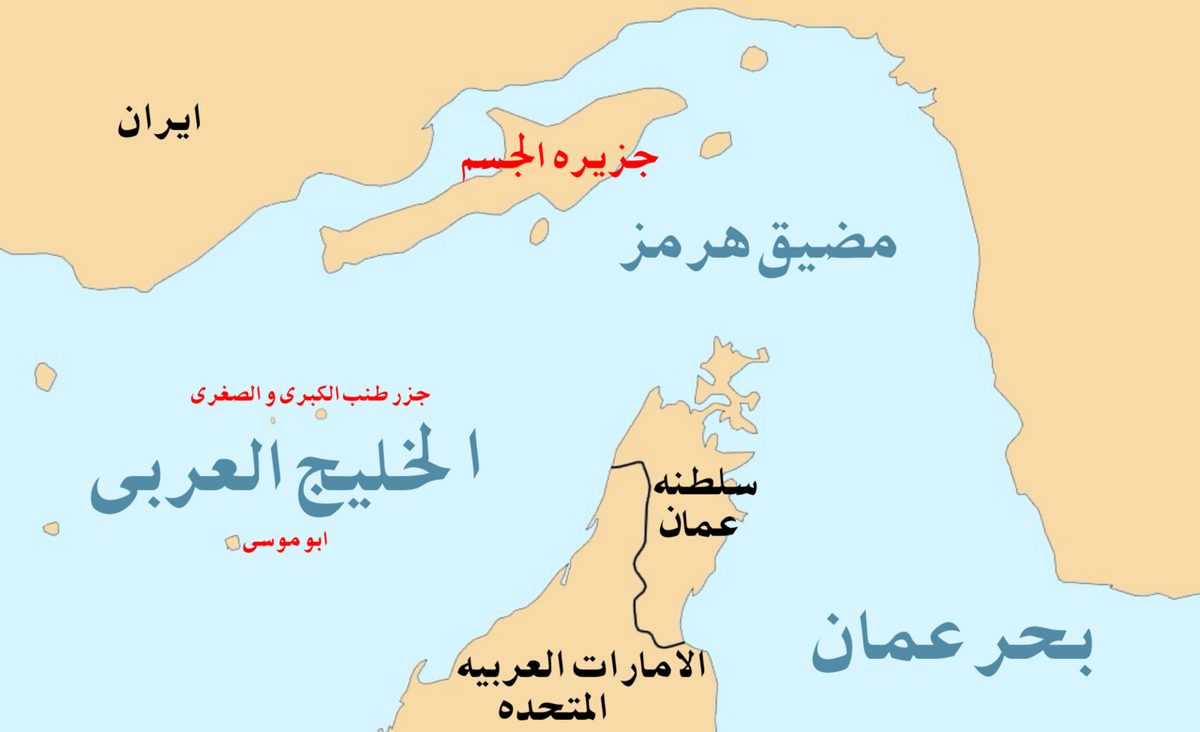
Oman's approach, together with Qatar's mediation efforts, is understood as part of a strategy by small Gulf states to avoid taking direct sides in Iran-U.S. tensions while maintaining a mediation role. Oman, due to its geographic position, sits at the mouth of the Strait of Hormuz where it opens to the Persian Gulf, and any conflict in the strait would directly affect its own shores; this situation is cited as one reason Muscat pursues a policy of keeping constant dialogue channels open with Tehran, unlike other GCC members. Since the 1970s, Oman has maintained regular diplomatic relations with Iran and generally pursues a foreign policy that avoids taking sides in regional crises; this stance has made the country one of the most consistent mediators between Tehran and Washington to date.