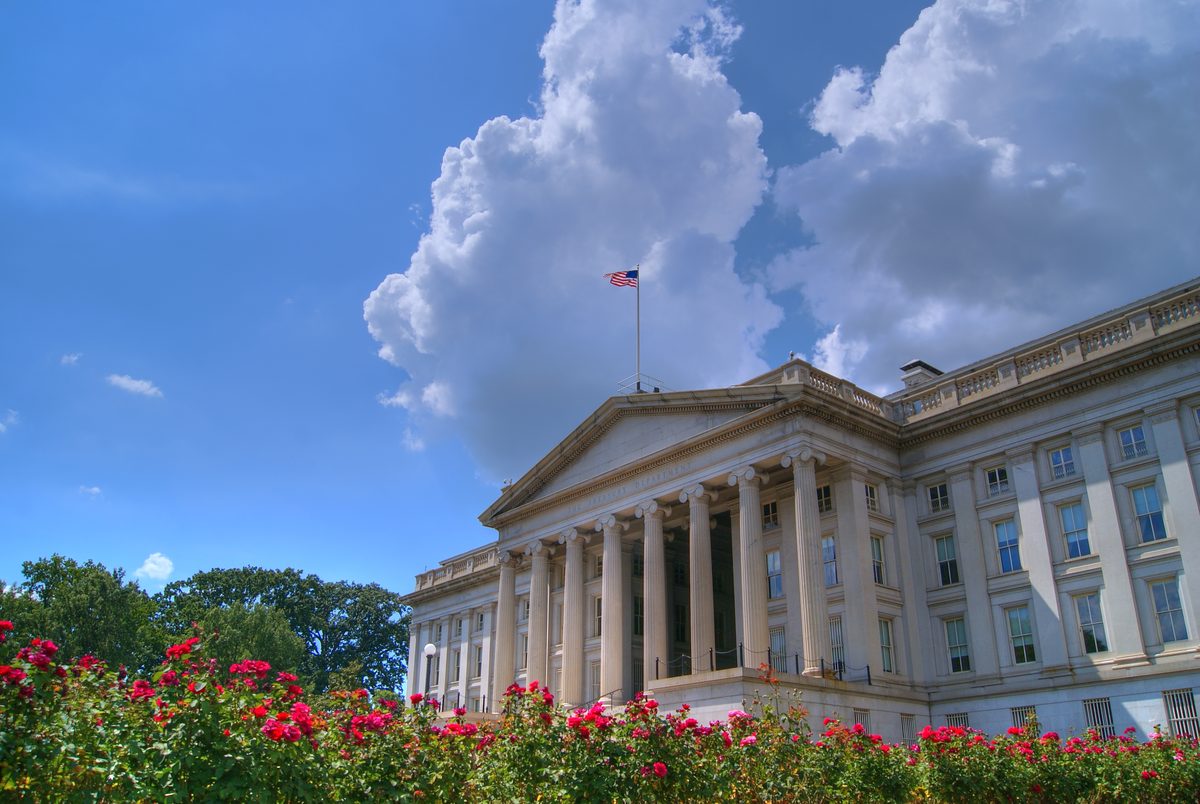
The U.S. Treasury Department targeted Iran's networks for dollar acquisition, oil revenue transfer, and sanctions evasion, adding 16 Iranians and more than 10 institutions—including three banks, several money changers, and trading companies—to the sanctions list. According to Iran International, the department stated these networks were used for dollar sourcing, transferring oil revenues, and circumventing sanctions.
According to a report by Ettelaat citing IRNA, the total number of names and institutions on the sanctions list exceeds 20; the report states the Treasury's Foreign Assets Control Office (OFAC) list contains 16 people and 11 companies and institutions, including the Baghdad-based International Private Development Investment and Finance Bank. The exact count differs between the two Persian sources—unconfirmed—but both agree the sanctions cover 16 individuals.
Ettelaat framed the sanctions as part of the U.S.'s continuing economic pressure campaign following "failed military strikes" on Iran, and cited Treasury Secretary Scott Bessent's August 24 statement at the White House: "Today, at President Trump's direction, we launched an economic exclusion operation against Iran." Donya-ye Eghtesad reported the development as a brief item without framing, simply announcing the sanctions.
How the Persian press covered it
| Source (orientation) | Headline / framing |
|---|---|
| Iran International (opposition, diaspora) | Listed numbers as "16 people, 10 institutions," focused on networks' dollar and oil revenue functions |
| Ettelaat (moderate-traditionalist) | Listed numbers as "16 people, 11 institutions, over 20 total," framed sanctions as U.S. pressure campaign following "failed strikes" |
| Donya-ye Eghtesad (economic daily, technocratic) | Reported development briefly, without framing |
Context
The U.S. Treasury's move is part of the "Operation Economic Outcast" campaign that Treasury Secretary Scott Bessent announced he launched in August. According to the Treasury Department's own statements, this campaign has resulted in sanctions against numerous individuals, institutions, and vessels within weeks; targets include Iran's multinational "shadow banking" networks, the automotive and steel sectors, and oil exports. One of the department's earlier October moves was adding Turkey-based Golden Global Bank and its affiliates to the list, citing hundreds of millions of dollars in transactions for the IRGC Quds Force. The simultaneous sanctions announced by 29 countries in the Fairford statement represented another front in the same international pressure wave. Treasury's OFAC unit issued a warning on October 5 to foreign financial institutions that those continuing transactions with Iran's financial system could face sanctions without prior notice.
Earlier phases of the campaign saw Treasury allege that a Banque Misr branch in the UAE had conducted approximately $1.8 billion in transactions for 103 companies tied to Iran's shadow banking networks between January 2024 and June 2026, and recommend revoking the bank's access to U.S. correspondent banking. Under the same campaign, in March 2019, 14 individuals and 17 institutions allegedly tied to Iran's SPND defense research organization were added to the sanctions list; today's sanctions mark the latest link in this multi-year, multi-layered pressure campaign.