According to Ettelaat's report from Telegraph, the Kremlin visit by Supreme National Security Council Secretary Mohsen Rezai and his meeting with Putin weakens Trump's claim that "Russia is doing nothing to help Tehran." According to Telegraph, Iran and Russia are negotiating delivery of advanced air defense systems to Tehran.
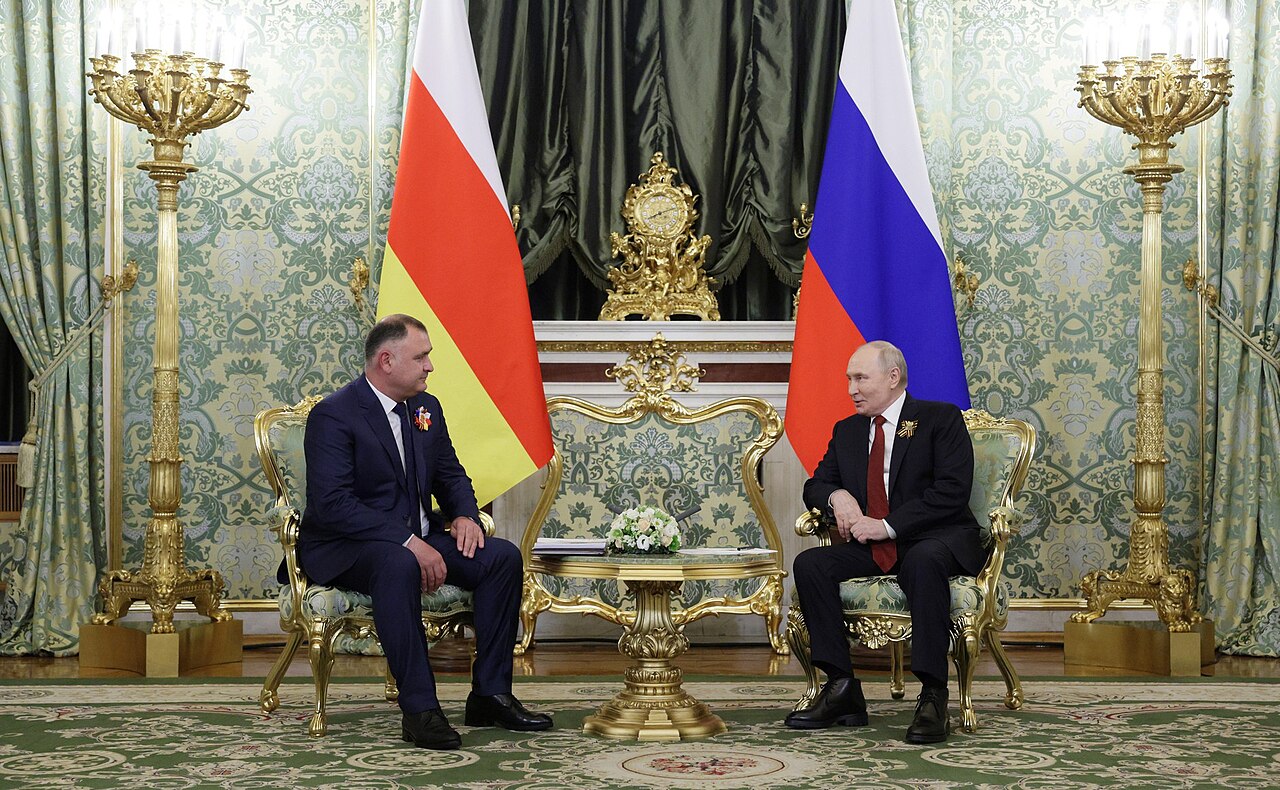
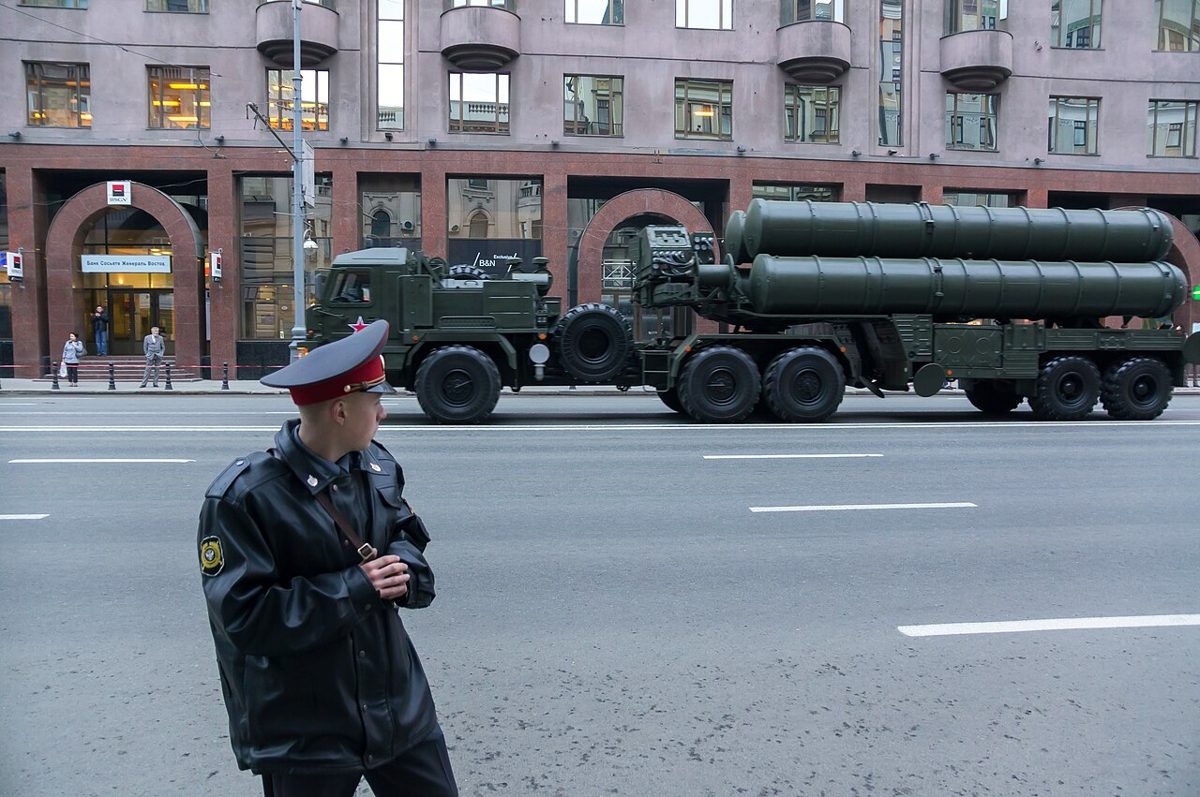
According to Ettelaat's account, a senior Iranian official said the Islamic Republic is "hopeful" that Putin will finally deliver the S-400 air defense systems Tehran has pursued for years. The report states that Supreme Leader Ayatollah Khamenei sent Rezai to the Kremlin on Thursday with a personal letter, and according to the official cited, the core request in that letter was precisely this weapons system. Telegraph reports these negotiations contradict Trump's claims that Russia provides "no" assistance to Iran. After the Moscow talks, Rezai stated: "Important regional issues were discussed with Putin, significant talks on the post-war period and regional security arrangements; construction of a new natural gas pipeline between Russia and Iran was also discussed."
According to Russian defense industry documents examined and disclosed Thursday by Telegraph, Russia is producing helicopter-launched missiles for Iran; state-owned Russian factories are producing specialized missile-launching equipment for Iran under an export contract listed in the documents with the code "K-10." According to Telegraph, a classified Iranian war planning memo it examined describes how Tehran used its alliances to survive a major conflict; the note states: "The Iranian people's resistance to external pressure over the past forty years has shown that an internal collapse strategy would not easily succeed." Kurdistan24's report based on Telegraph indicates Iran had previously raised its S-400 request following gaps revealed in its air defense by U.S. and Israeli strikes; whether this request was conveyed through Rezai's visit or via separate diplomatic channels remains unclear, and these details have not been verified.
Context
Rezai's Moscow visit and Khamenei's letter were reported in detail the previous day; that report did not clarify the letter's contents (details). Earlier in the week, the Financial Times reported a Russian agreement to supply Iran with helicopter-launched guided missile launchers; that article noted the examined documents did not prove final delivery of the launchers (details). According to Telegraph, Moscow has delayed S-400 sales for years to avoid damaging ties with Israel; additionally, with Ukraine's long-range drones and missiles placing constant pressure on Russia's own air defenses, Moscow may have limited willingness to spare its most powerful batteries for Iran. Trump dismissed warnings about Russian and Chinese aid to Iran on October 12 as "very low level," and on October 21, a Trump special envoy told Putin the administration would be "pleased" to help resolve the crisis.
According to Telegraph, a leaked Iranian Parliament committee memo prepared before the war recommends "strategic, especially military, relations with independent global powers like China and Russia without needing intervention from outside-the-region global powers"; this recommendation centers on strengthening air defenses, missiles, and drones. Renewal of the S-400 request carries special weight for Iran's defense policy: U.S. and Israeli strikes weakened Iran's air defenses and exposed gaps in its capacity to protect its own airspace, nuclear facilities, and top commanders. Rezai's references to the Rasht-Astarà railway line and new natural gas pipelines alongside weapons indicate the Moscow visit extends beyond arms procurement alone, fitting within a broader strategic partnership framework.