According to Bloomberg's October assessment, the continuing Houthi attacks originating from Yemen have driven the Saudi Arabian stock exchange to its lowest levels since 2021. According to ISNA's report, the news service wrote that the attacks are also straining the country's economic diversification goals.
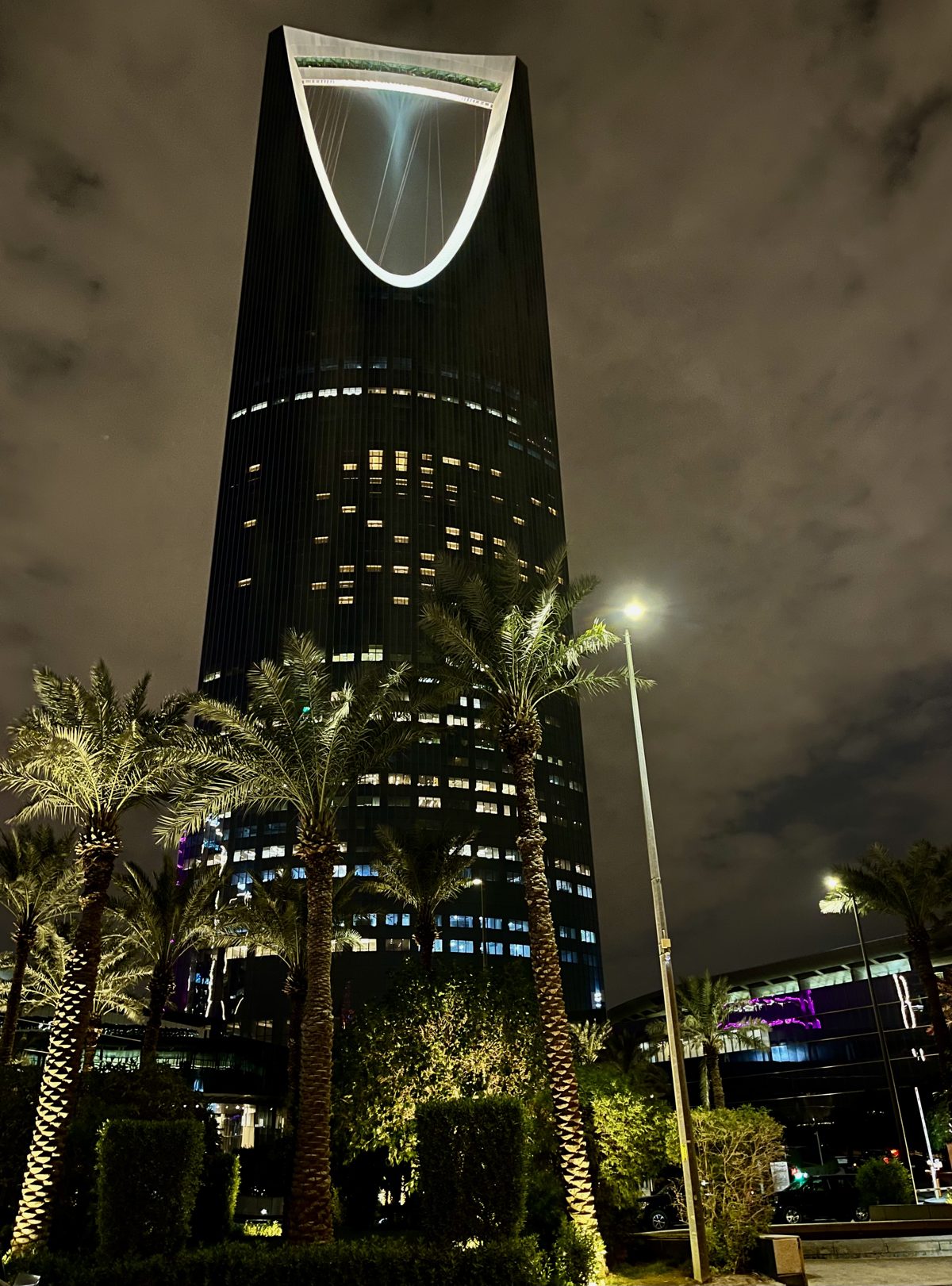
According to Bloomberg, Saudi equities experienced heavy losses in October, putting them on track to become one of the world's worst-performing emerging markets. The news service cited a former IMF official as saying that the attacks are damaging "stability," one of Saudi Arabia's most important advantages in attracting foreign investment. According to Bloomberg, Houthi operations have led to flight restrictions in Riyadh, postponement of major events, and a de facto stagnation in the capital's financial district; tourism, transportation, and foreign investment are also under threat.
According to economists Bloomberg spoke with, rising oil revenues will not be enough to offset the damage the war inflicts on non-oil sectors. The Saudi stock exchange index, according to the news service, is approaching its lowest level since 2021 as a result of losses sustained over the past two months. These assessments coincided with developments such as the postponement of the Cityscape Global fair to 2027, the conversion of the World Health Forum into a virtual event, postponement of the Extreme H championship finals, research firm Informa reducing its global income growth forecast from 6 percent to 3 percent, many airlines suspending flights to Saudi airports, and closure of the Jizan refinery.
Context
Saudi Arabia has been the increasingly frequent target of drone and missile attacks by the Houthi movement from Yemen since the start of 2026; this week, explosions were reported successively in Jeddah, Yanbu, Dammam, and Riyadh — including the blasts that suspended flights at Dammam's King Fahd Airport. The Saudi government's "Vision 2030" plan, aimed at growing non-oil sectors, has been overshadowed by security concerns. The economic cost of the attacks is linked to the broader Iranian-Israeli-American tensions in the region: Riyadh is in a vulnerable position facing both the Yemen front and possible indirect effects of a potential Iran war. The Saudi government has so far made no detailed official statement regarding stock market losses or postponed events.
The Saudi Tadawul stock exchange had in recent years been at the center of reforms aimed at attracting foreign investors and major international events (investment conferences, sports tournaments, technology fairs); the successive postponement of these events is seen as a step backward for the country's international image. Analysts emphasize that while possible short-term increases in oil prices could boost state revenues, this would not be enough to compensate for capital flight and lost tourism income. As Riyadh works to strengthen its air defense capacity against attacks, whether the frequency of attacks will decline remains a decisive factor for markets.
Other regional exchanges are under similar pressure; markets in Qatar and the United Arab Emirates are also experiencing fluctuations tied to tensions in the Strait of Hormuz. Saudi Arabia's non-oil growth targets were based on revenues from tourism, entertainment, and technology sectors by 2030; the fact that these very sectors are suffering damage during a period of peak security concerns may require the government to reconsider its economic planning. Bloomberg's assessment also includes a warning that even if attacks end, market confidence may not recover quickly.
For information only; not investment advice.