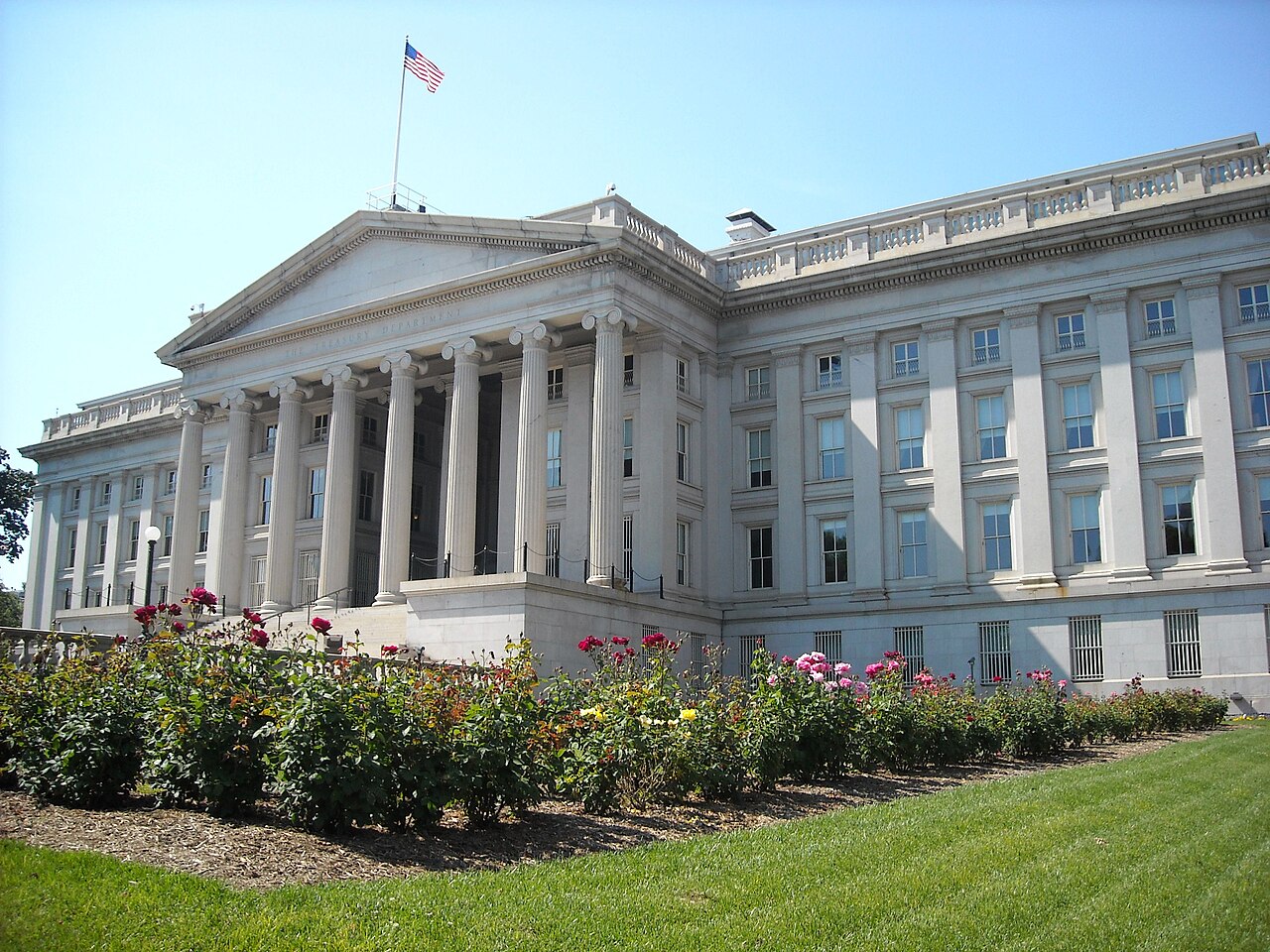
The U.S. Treasury Department announced on October 22 that Iran would be included, alongside China, Russia, North Korea, and Cuba, in a proposed new investment restriction framework. According to Iran International, citing Reuters and Treasury statements, the goal is to prevent capital flows and associated advantages from reaching technological activities that would strengthen these countries' military, intelligence, surveillance, or cyber capabilities.
The proposed rule does not cover all investments; some will be completely prohibited while others will require Treasury notification. Six covered sectors are listed: semiconductors and microelectronics, artificial intelligence, quantum information technology, high-performance computing and supercomputers, hypersonic systems, and biotechnology. Treasury noted that rapid advances in AI over the past two years have made regulation difficult and enabled the dispersal of the most advanced models.
Christopher Pilkerton, deputy assistant secretary for investment security at Treasury, told Reuters that Washington's concern extends beyond capital flows to include communication networks, supply chains, and other advantages derived from investment. Treasury Secretary Scott Bessent stated in a separate comment that the rule aims to prevent U.S. capital from enabling competitors to develop technologies that would threaten U.S. national security.
According to the report, the proposal expands the COINS Act (Comprehensive Outbound Investment National Security Act), enacted last year and initially limited to China alone. The law has now added Iran and several other countries to the list. Treasury is accepting public comments until December 7, after which it will issue the final rule; the implementation date will be specified in the final rule. The proposal includes exemptions for certain investments by public companies and transactions under $50,000, as well as an exception request mechanism for transactions deemed to serve U.S. national interests.
Venezuela, listed as "under Nicolás Maduro's regime" in the original text, has been removed from the current proposal. Treasury justified this by noting that Maduro's government no longer exists following his detention by U.S. forces in January. Treasury indicated that restrictions on some Venezuelan entities may remain in effect but provided no details. Additionally, U.S. pharmaceutical companies' licensing agreements with China will be excluded from the scope—a move meeting the demands of companies like Pfizer.
Context
The COINS Act was adopted as part of the Fiscal Year 2026 Defense Authorization Act and permanently expanded oversight of outbound investments by U.S. companies and individuals. The final rule is expected by March 2027; current rules remain in effect until then. Treasury's targeting of Iran comes as Tehran is already subject to comprehensive U.S. sanctions and reflects the same approach as recent consecutive Treasury sanctions decisions against Iran-linked shadow fleet and shadow banking networks (related report). Russia's inclusion drew attention because it came the same week the Trump administration suspended some Russia sanctions following a recent diesel agreement with Moscow.