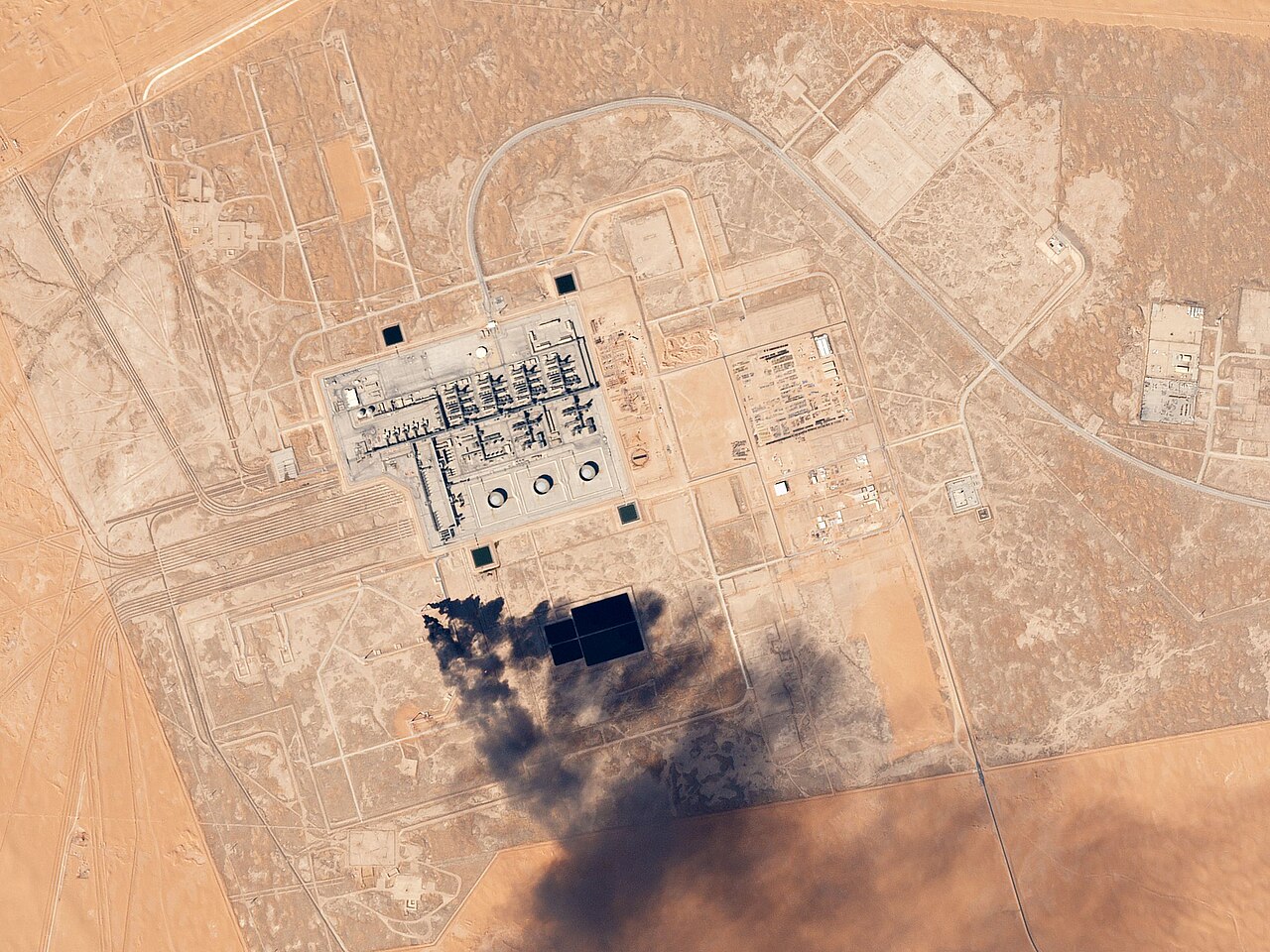
According to a statement by a Saudi Arabia Energy Ministry official released through the official news agency SPA, a drone on Wednesday morning targeted a facility at the Aramco-operated Safaniyah oil field. According to Hamshahri's report, the attack killed two workers and wounded two others.
The official stated that the killed workers were Filipino and Nepali nationals, while the wounded were Pakistani and Indian nationals. According to Hamshahri's report, a vehicle also caught fire during the incident. According to Donya-ye Eqtesad's reporting of SPA, Saudi air defense systems intervened against the drone attempting to target Aramco infrastructure at Safaniyah; the statement did not explicitly identify who conducted the attack. Safaniyah is located in eastern Saudi Arabia near the UAE border and has a daily production capacity of approximately 1 million barrels.
How the Persian press covered it
| Source (orientation) | Headline / framing |
|---|---|
| Hamshahri (moderate-traditionalist) | Straightforward news report emphasizing casualty figures and workers' nationalities. |
| Donya-ye Eqtesad (economic daily, technocratic) | Framed the event as a "fatal strike on Aramco's oil infrastructure" with emphasis on the petroleum sector; also noted that Saudi warplanes struck the city of Sa'da in northern Yemen. |
| Kayhan (hardline) | On the same day, highlighted Houthi spokesman Yahya Saree's claim of a "precise strike" on a "Saudi mercenary" command center in Aden—a different and separate target. |
No direct statement claiming Houthi responsibility for the Safaniyah attack appears in these reports; responsibility claims remain unconfirmed.
Context
The Houthis have regularly targeted Saudi Arabia's oil facilities with drones and missiles since 2019; that same year, a strike on Safaniyah caused an oil fire without disrupting production. According to Donya-ye Eqtesad's reporting, Saudi warplanes bombed the Houthi-controlled city of Sa'da in northern Yemen on the same day; this was recorded as a concurrent development showing Riyadh's retaliation, though whether the bombing was a direct reprisal for the Safaniyah attack was not explained in the sources. Yemen's internal conflict pits the Saudi-led coalition against the Iran-backed Houthis; this week's attack demonstrates the continued urgency of Riyadh's security concerns. Indeed, the "Mecca Pact" signed by Turkey, Pakistan, and Saudi Arabia and submitted this week to the Turkish Parliament is directly aimed at deterrence against such Houthi attacks (related news). Repeated attacks in the region also periodically raise supply security concerns in global oil markets. According to Iran International, Saudi Arabia postponed the major investment conference known as "Desert Davos" to next year just two days before the Safaniyah attack, citing recent lethal Houthi attacks and escalating regional tensions; this demonstrates that the wave of attacks is also affecting the kingdom's economic activities.
For information only; not investment advice.