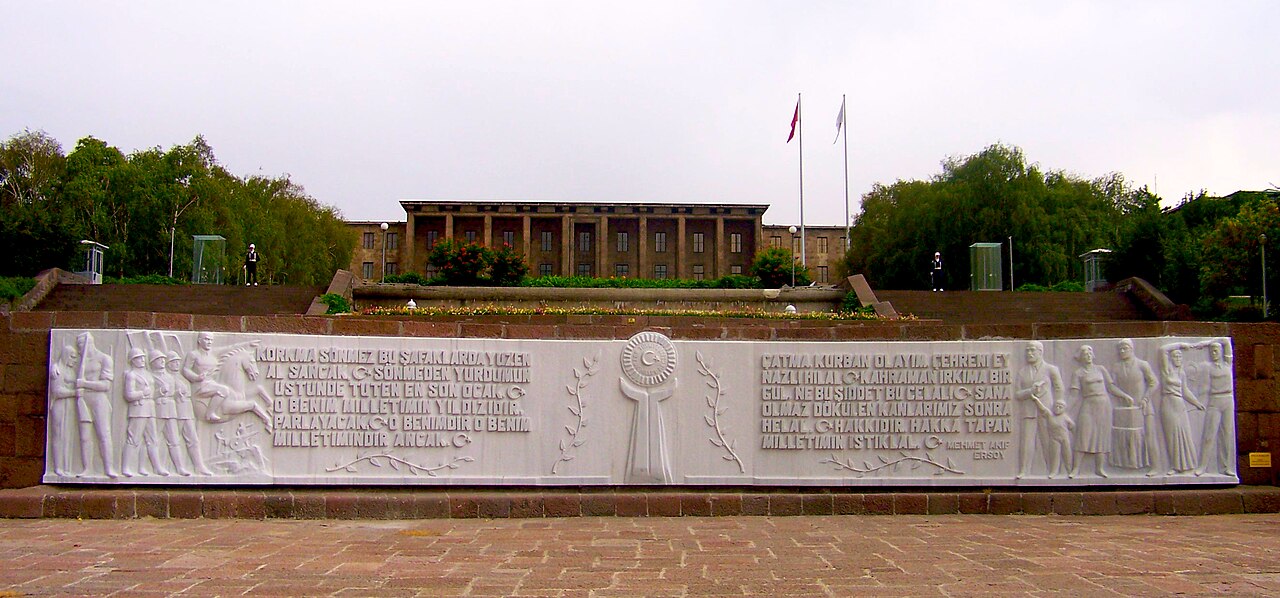
The "Mecca Pact," signed by Turkey, Saudi Arabia, and Pakistan in August, was submitted to the Turkish Grand National Assembly for ratification. According to Reuters sources cited by three parliamentary staff members and relayed by Iran International, Ankara also signed a separate defense industry cooperation agreement with Qatar, Pakistan, and Indonesia in Doha in the same period.
According to Reuters, Parliament Speaker Numan Kurtulmuş will refer the agreement to the Foreign Affairs Commission upon his return from a visit to Kyrgyzstan; one source said the commission could begin discussions as early as Friday. Article two of the pact, signed on August 7 in Mecca by Saudi Crown Prince Mohammed bin Salman, President Recep Tayyip Erdoğan, and Pakistani Prime Minister Shehbaz Sharif, stipulates that an armed attack on any party shall be considered an attack on all, and the other parties shall come to each other's aid "with all necessary means." This article resembles NATO's Article 5 and references UN Charter Article 51—states' right to individual and collective self-defense. Erdoğan's Communications Director Burhanettin Doran characterized the step as a "watershed moment in institutionalizing strategic cooperation" among the three countries.
Foreign Minister Hakan Fidan said the pact is "not an offensive agreement" and that Turkey would not send troops to conduct strikes in another country's territory. An unnamed Turkish official told Reuters that Ankara's participation was expected to remain limited to military equipment, intelligence sharing, and weapons systems, with no deployments having yet taken place. Under Turkish constitutional law, sending troops abroad, even under an international agreement, requires separate parliamentary authorization.
According to Reuters, the joint chiefs of staff of the three pact parties held an emergency meeting in Riyadh earlier this month and agreed on infrastructure for "rapid deployment" of necessary forces and capabilities in Saudi Arabia; the joint statement specified neither troop numbers, equipment types, nor a timeline. The process is not new: Fidan said on October 8 that "necessary preparations" for submission to Parliament had been completed, and Erdoğan announced on October 12 that the pact would soon be sent for ratification. These statements align with the latest Reuters report indicating the agreement has now formally entered the commission process.
According to a statement from Turkey's Defense Ministry, Qatar, Pakistan, Indonesia, and Turkey signed the "Badr Memorandum of Understanding" in Doha; unlike the mutual defense commitment in the Mecca Pact, this document covers joint production in defense industry, training, and research-and-development cooperation. Turkish Defense Industry Director Haluk Görgün said the agreement would help convert the four countries' "complementary capabilities into concrete projects." This second agreement's details remain unverified by independent English-language sources; information is based solely on Turkey's Defense Ministry statement and Iran International's reporting.
Context
The Mecca Pact was signed during a period of continued Houthi attacks on Saudi Arabia and aimed to strengthen Riyadh's security. It became a subject of political debate in Turkey: opposition parties warned that the agreement could draw Turkish Armed Forces into the conflict in Yemen (related news). Fidan's "not offensive" statement was a response to this criticism. The formal submission of the pact to Parliament marks a critical threshold in Ankara's process of institutionalizing defense relations with Gulf countries; ratification must be completed before the commitment becomes legally binding. The R4 regional defense cooperation that the Mecca Pact underpins also came up the following day at a meeting of seven countries' foreign ministers hosted by Turkey in Istanbul (related report).