Amnesty International announced that five people were executed between 8–13 Mehr (September 30–October 5) in cases connected to the Dey uprising following "grossly unfair and torture-tainted trials." According to Iran International, the organization said in a statement issued Tuesday that the Islamic Republic has executed at least 34 people so far in connection with the Dey uprising, with dozens more, including government opponents and protesters, facing ongoing execution risk tied to political motivation.
Diana Eltahawy, deputy regional director for Amnesty International's Middle East and North Africa division, warned that Iranian authorities are escalating pressure by citing "wartime conditions" and national security threats; she stressed that this doubles the need for coordinated diplomatic pressure to halt all planned executions. Eltahawy also highlighted Iranian officials' impunity, calling for the UN Security Council to refer Iran's file to the International Criminal Court and for the UN General Assembly to establish an international mechanism for criminal accountability. Gina Romero, the UN's special rapporteur on freedom of peaceful assembly, has previously demanded that Iran halt executions and that condemned prisoners be independently monitored.
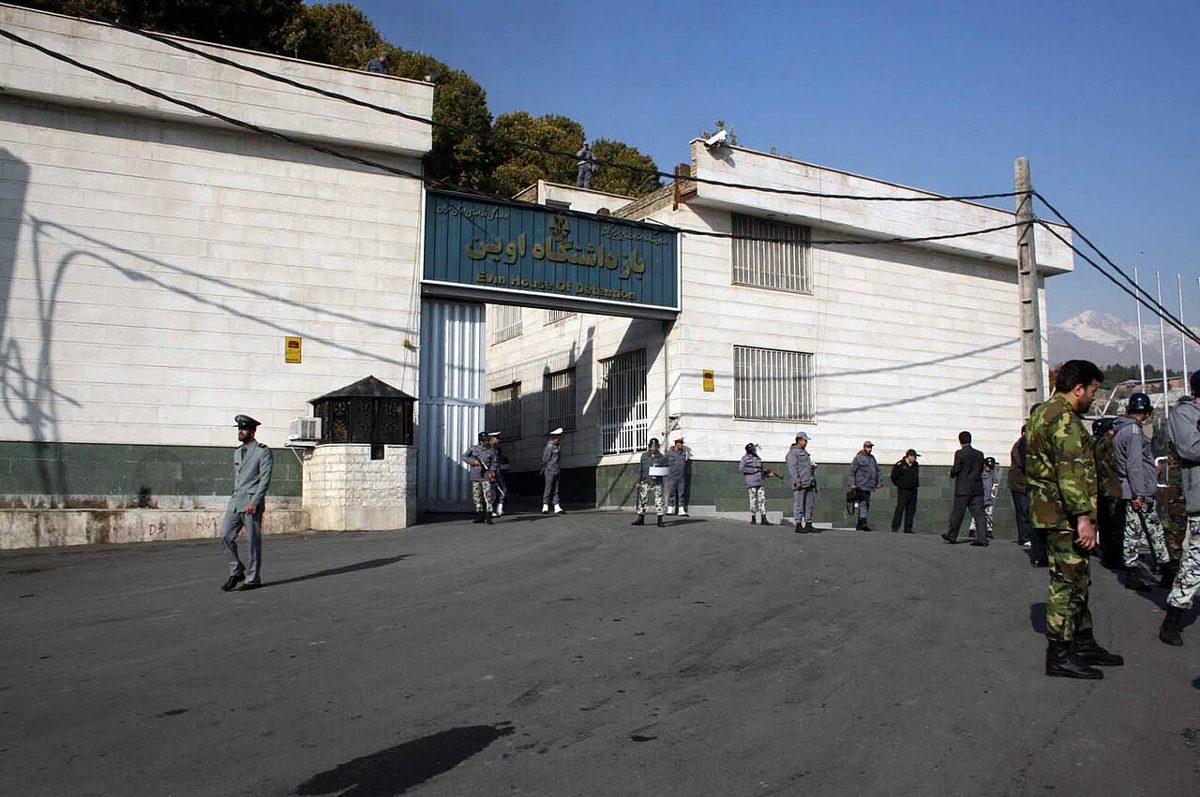
In a separate report the same day, the human rights monitoring organization HRANA reported that the death sentence of political prisoner A.A.M., held in Evin Prison, was upheld by the 41st Branch of the Court of Cassation and was communicated to him on 19 Mehr (October 11). A.A.M. was sentenced to death in July–August of this year by Tehran's Revolutionary Court, 15th Branch, under judge Abolqasem Salavati, on charges of "baghy" (armed uprising against the state). The presumption of innocence applies.
Context
Amnesty International's statement continues criticisms raised in earlier coverage of the world day against the death penalty and execution, political prisoner tally. In an earlier report, the organization argued that officials responsible for suppressing the 1401 (2022) "Woman, Life, Freedom" protests sparked by Mahsa Jina Amini's death have still not been held accountable, and that this impunity has been deliberately embedded in the Islamic Republic's legal and judicial structures. In Iran, execution is frequently applied against political opposition through broadly interpretable charges like "baghy" and "moharebe" (waging war against God); human rights organizations have long criticized the legal definition and application of these charges.
The defense process and any potential execution date in A.A.M.'s case could not be independently verified at this time. Most Dey uprising execution files stem from economic protests that began in late 2025 and spread nationwide; Amnesty International has documented in earlier reports that trials in these cases proceed rapidly and defendants' access to lawyers is restricted. While Tehran argues that death sentences result from independent judicial proceedings, international human rights organizations contend these processes do not meet fair trial standards; this fundamental disagreement between the two sides remains at the level of unconfirmed.