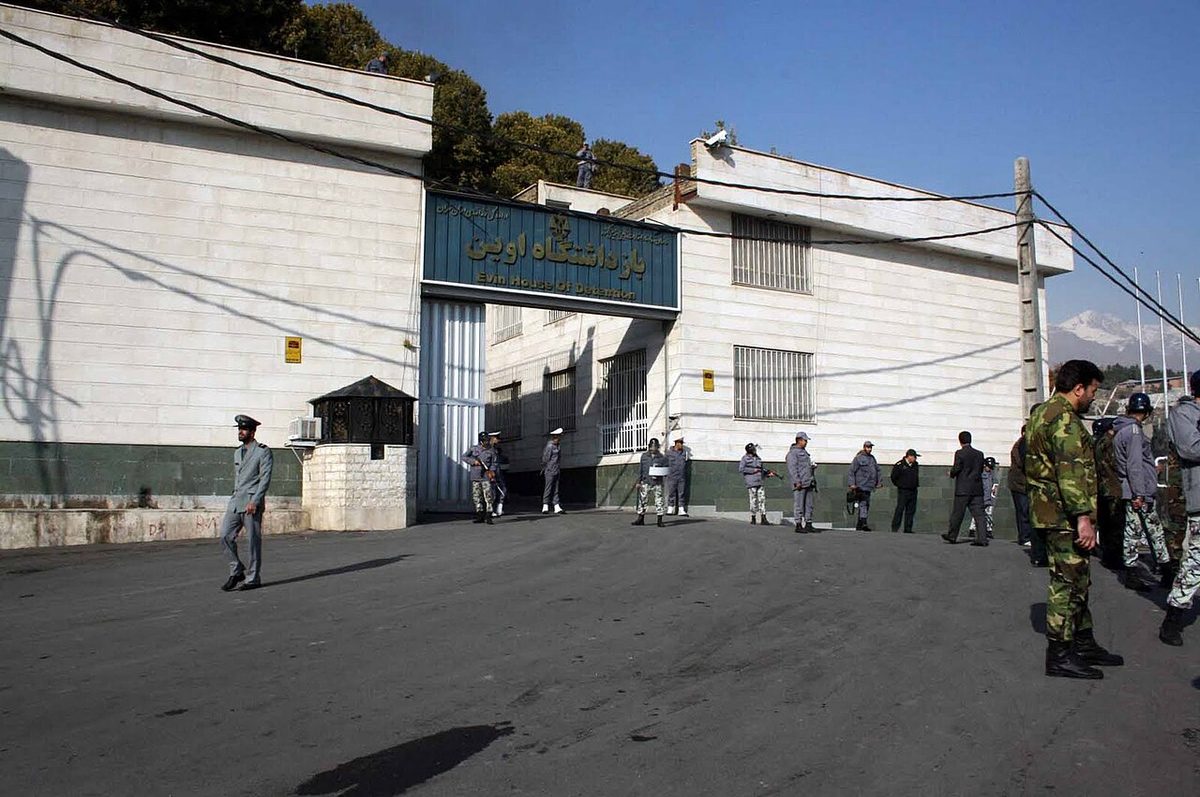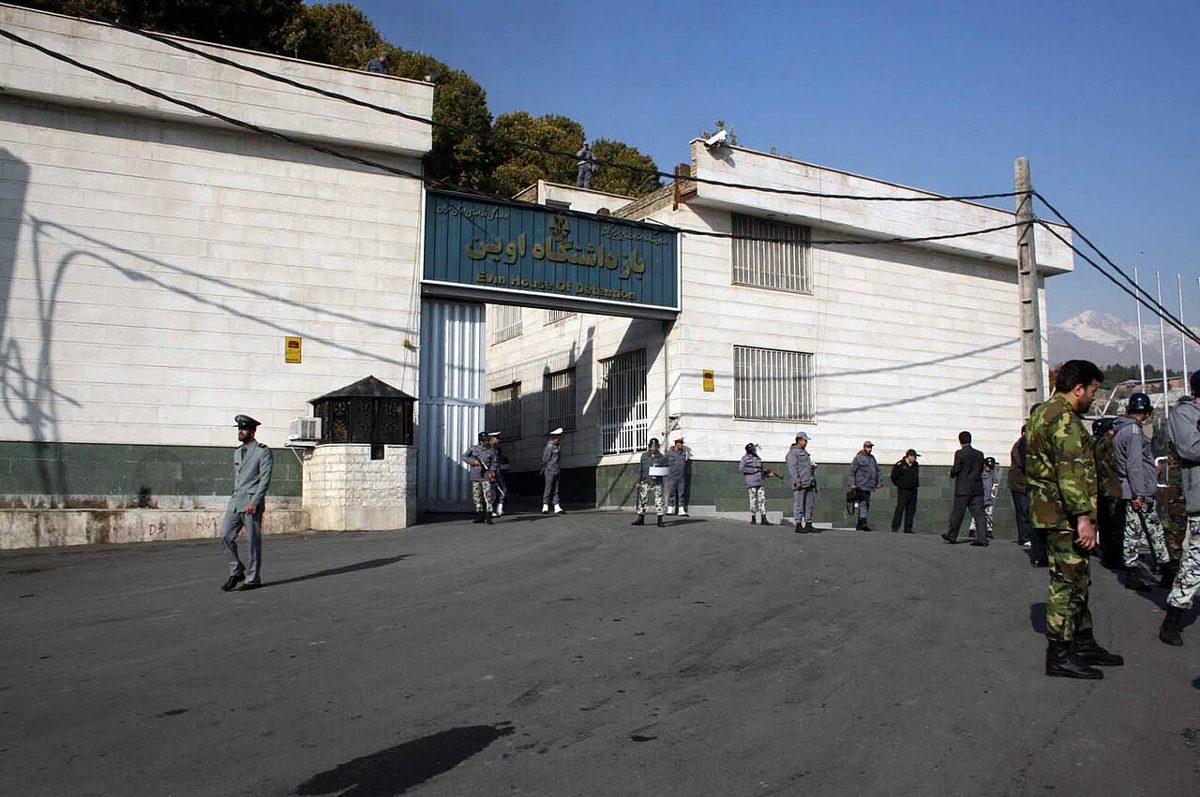
According to Iran International, the Human Rights Activists News Agency (HRANA) released a report on October 10, World Day Against Death Penalty, stating that 2,003 people were executed in Iran over the past year, with at least 69 facing political and security charges. The organization called for immediate cessation of executions.
By the report, from October 10, 2025 to October 8, 2026, recorded executions climbed to 2,003—a 29 percent jump from the previous period's 1,553—reaching the highest level in the past ten reporting cycles. Executions rose from 505 in 2016-2017 to 2,003 in 2025-2026. Of the executions, 57.56 percent were for murder, 36.25 percent for drug crimes; the remainder involved political-security, rape, non-political armed opposition, corruption on Earth, economic crimes, or unspecified charges.
Per HRANA's annual statement, 932 people have been executed in 2026 since January, and 125 have received death sentences. During the one-year period reviewed, 230 people were sentenced to death—at least 16 women—and 74 executions were upheld by the appeals court. Among identified dead were 47 women; 9 were executed publicly, and 6 were publicly sentenced to death. The report highlights that 95 percent of executions went unreported or kept silent, with only 5 percent announced via official or local media. By province, Razavi Khorasan led with 200, Isfahan with 164, and Alborz with 123; Fars and Khuzestan followed with 119 and 112 respectively.
According to Iran International, the statement notes that executing or sentencing to death people who were under 18 at the time of offense, or who do not fall into the most severe crime category, violates Article 6 of the International Covenant on Civil and Political Rights, which Iran has ratified. During the period reviewed, four individuals under 18 at time of offense were executed. The report also emphasizes that arbitrary detention, forced disappearances, families kept unaware of detention locations, and denial of independent legal counsel eliminate defendants' right to effective defense.
The statement further noted 369 forced televised confessions recorded in connection with the Dey protests; Emirhossein Hatemi, executed at 18, and Salih Mohammadi, who was 18 at sentencing and 19 at execution, were among those named in this context. By a statement to Iran International from Erfan Nebian, one of the Isfahan Dey protesters in detention, he alleged torture during detention, an execution-style noose placed around his neck for show, and forced confession on camera; this allegation could not be independently verified and remains unconfirmed.
Context
October 10 has been marked since 2003 as World Day Against Death Penalty, led by the World Coalition Against the Death Penalty. The 2026 theme is "Stories for Life," focusing on individuals affected by capital punishment. HRANA's annual report builds on October 7's Iran International report noting at least 70 political prisoners executed since the Dey protests, and situates that political-security figure within overall execution statistics. By the organization's own account, restrictions on independent human rights groups mean the actual execution toll may exceed reported figures.