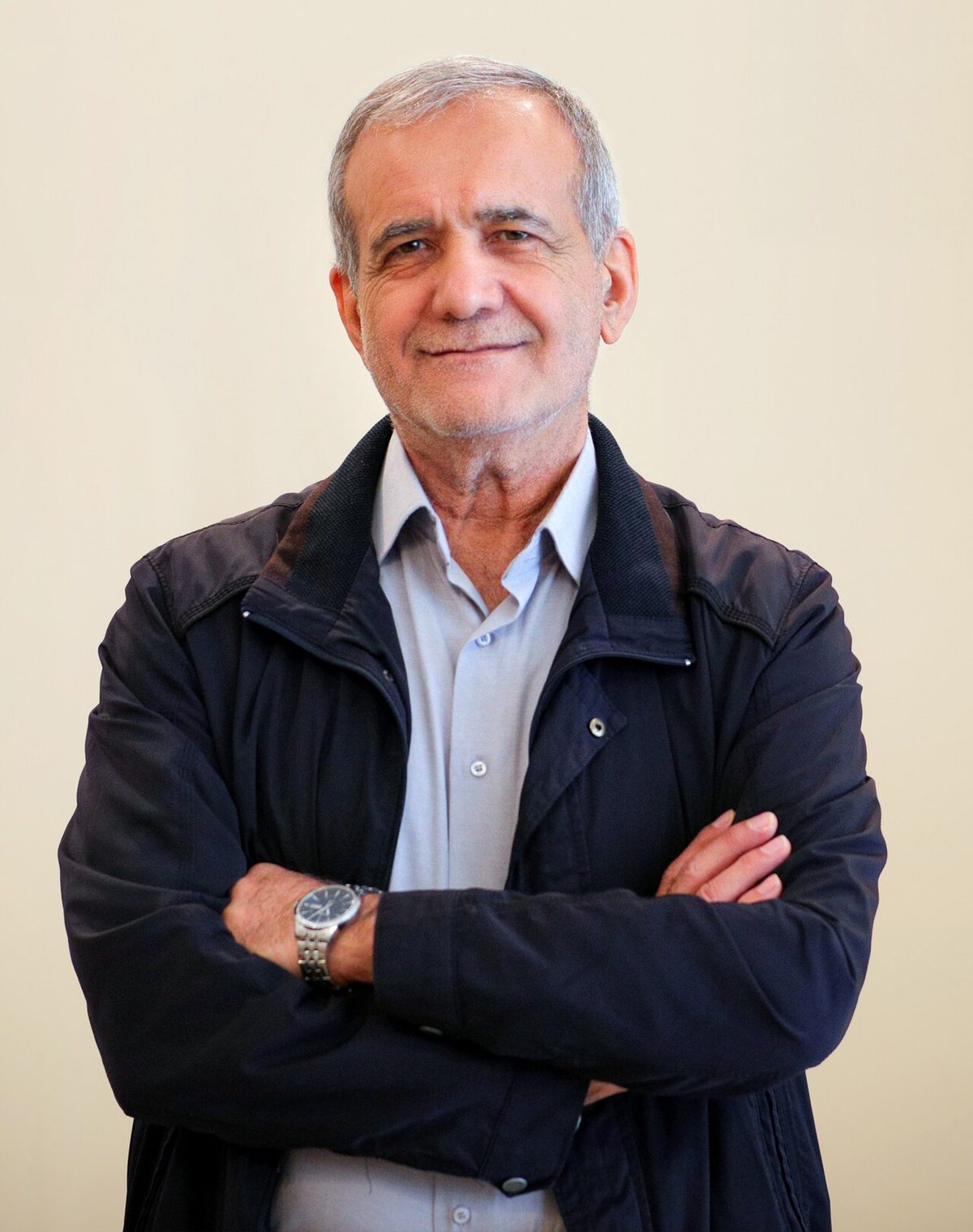
President Masoud Pezeshkian announced in a post on X that the government has "adopted a new arrangement to manage special conditions," according to Hamshahri. Pezeshkian wrote that "the enemy's plan in recent months has been to cut the country's vital arteries in order to put pressure on the Iranian people."
According to a separate Hamshahri report, the government's economic coordination council met the same day "under war conditions" to manage the constraints ahead. According to the report, Iran's economy has effectively entered a state of war following "the military attack by the Zionist regime and the subsequent US attack." The key shift in priorities under the new economic arrangement is from "economic efficiency and long-term growth" to "preserving the resilience of the economy, meeting minimum livelihood needs and maintaining the country's stability."
The meeting also addressed managing exchange-rate fluctuations and the balance of supply and demand; cabinet members stressed the need for tighter coordination among currency, trade and fiscal policies, for expectation management and for continuously meeting the real sector's foreign-currency needs. The Ministry of Economic Affairs and Finance presented a report on the government's fiscal situation and the requirements for managing resources under special conditions. The Minister of Agricultural Jihad reported that there is no shortage of staple foods.
The Plan and Budget Organization presented the meeting with a seven-point package of proposals aimed at overcoming the constraints in a more orderly way and at lower cost; the package's purpose was described as strengthening coordination among economic policies and speeding up time-consuming bureaucratic processes. According to Hamshahri, this step is also linked to a body called the "Economic War Headquarters" set up by the Ministry of Economic Affairs and Finance; the unit aims to resolve, on an expedited basis, the problems that wartime conditions create in trade, financing and business. The Secretary of the Supreme National Security Council also said at the meeting that the council stands ready to provide all kinds of support and cooperation in managing the economic process; Hamshahri interprets this as a sign of coordination between security institutions and economic management.
Context
Pezeshkian's statement is directly linked to the story published the same day about the dollar and euro reaching new records: the government's "new arrangement" rhetoric largely points to an effort to manage sharp swings in the currency market and disruptions in the import-export chain. According to the report, the Supreme National Security Council said it supports this economic restructuring, which indicates that economic policy has come under the oversight of security institutions. Hamshahri, as an outlet close to the Tehran municipality, relays the government's official rhetoric relatively directly; the story was therefore available from a single source and could not be independently verified.
Pezeshkian won the 2024 presidential election as a reformist candidate and since taking office has named reducing the impact of economic sanctions as a priority. However, Iran's entry into a military conflict appears to have moved the government's economic management out of ordinary budget and development planning and into crisis-management mode; the emergence of new institutional structures such as the "economic war headquarters" is a concrete sign of this shift.