According to IRNA, the Deputy Head of the Presidency's Communication and Information Bureau announced that Oil Minister Mohsen Paknejad had submitted a resignation request "for personal reasons," that this request was not previously accepted by the President, but that Mesud Pezeshkian approved the resignation following Paknejad's insistence. On the same day, Pezeshkian appointed Hamid Bord, former General Director of the National Iranian Oil Company, as acting minister under Article 135 of the Constitution.
According to Donya-ye Eghtesad's report, Government Spokesperson Fatema Mohejerani stated that the resignation matter had been on the agenda before, that Paknejad had indicated he wished to resign but that the President had not initially accepted it. Mohejerani thanked Paknejad for "his efforts during these difficult times" and expressed hope that Bord would succeed during his acting term. In the appointment text published by Ettelaat, Pezeshkian stated that Bord was selected for his "commitment, competence, and administrative background."
Opposition Iran International provided no detail beyond the official announcement and conveyed the story in a brief bulletin describing Pezeshkian's decision; it made no alternative claim about the resignation's underlying cause. Thus the exact "personal reason" behind the resignation has not been disclosed to the public, and this matter remains "unconfirmed."
How the Persian press covered it
| Source (orientation) | Headline / framing |
|---|---|
| IRNA (state news agency) | Carries resignation as a straightforward official announcement, emphasizing Paknejad's insistence. |
| Ettelaat (moderate-traditionalist) | Publishes Pezeshkian's full official appointment text. |
| Donya-ye Eghtesad (technocratic) | Focuses on the government spokesperson's statement and details the process timeline. |
| Iran International (opposition) | Keeps the story brief without adding further detail. |
Context
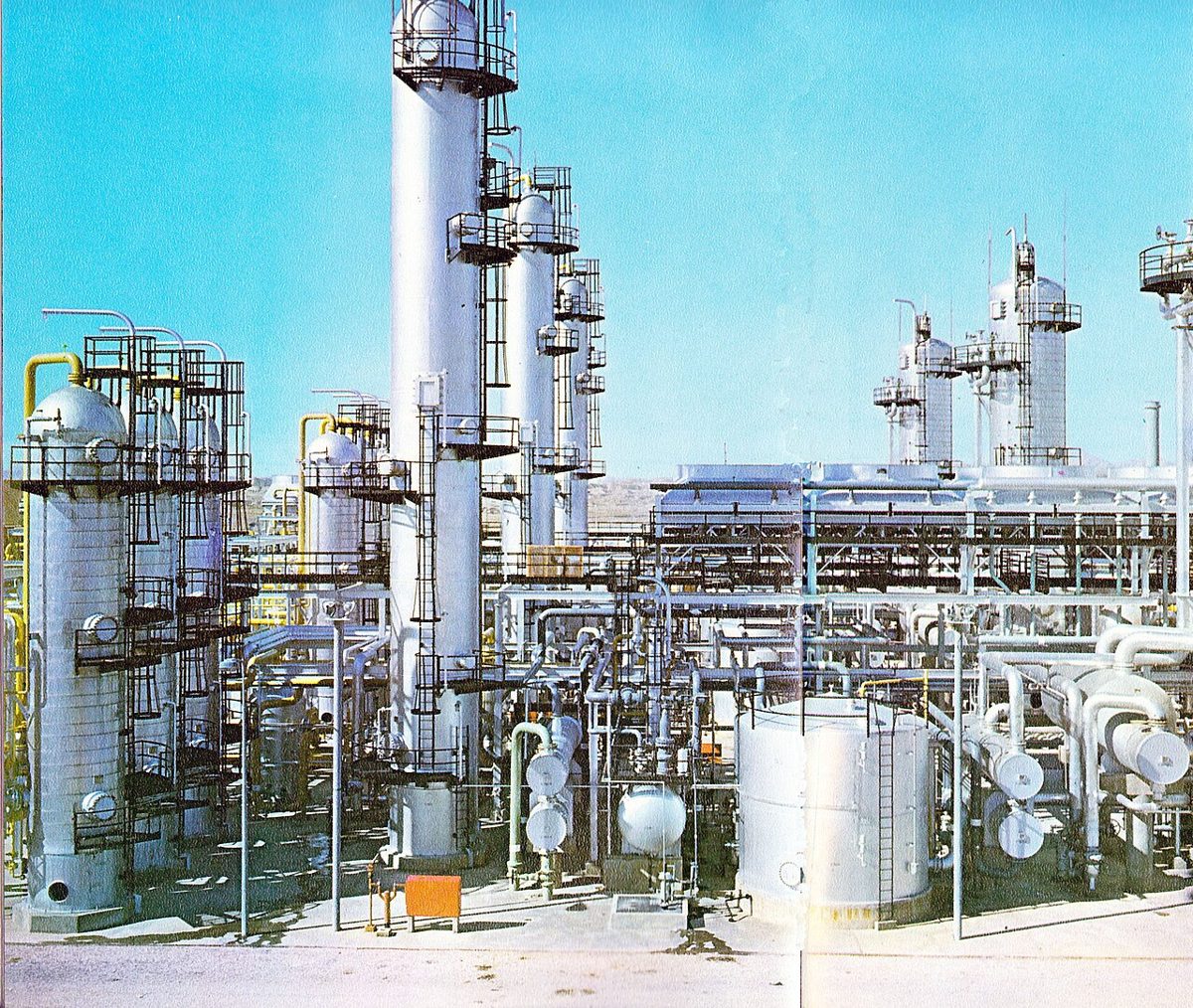
The Oil Ministry manages crude oil and natural gas production, exports, and refining—the vital arteries of Iran's economy. Changes in the minister's position carry significance for energy policy continuity, especially under sanctions and wartime conditions. Paknejad held this position in the 14th government (during Pezeshkian's term); his resignation being characterized as "for personal reasons" carries no implication of political disagreement or performance criticism, yet the government spokesperson's repeated use of the same phrase sparked additional public questions.
New Acting Minister Hamid Bord is presented as a technical figure who previously headed the National Oil Company; the fact that the appointment was made with the "acting" designation shows that permanent ministerial appointment requires parliamentary confidence vote, a process not yet begun.
In the full appointment text published by Ettelaat, Pezeshkian asked Bord to "work in coordination with the Cabinet, within the Constitution, toward the country's vision document goals, the Supreme Leader's general policies, and the Seventh Development Plan, contributing earnestly to the government's objectives and resolving the nation's problems." Donya-ye Eghtesad's headline "Who is Hamid Bord?" suggests the new acting minister is not yet sufficiently known to the public; the newspaper reported that the resignation story was confirmed the same day both through government spokesperson statements and the official appointment decree.
Paknejad's resignation stands out as one of several consecutive cabinet changes in the post-war period; the fact that Donya-ye Eghtesad's news flow on the same day heavily featured headlines on currency markets, bread subsidy credit, and the Strait of Hormuz shows that the government is forced to act on multiple crisis fronts simultaneously.