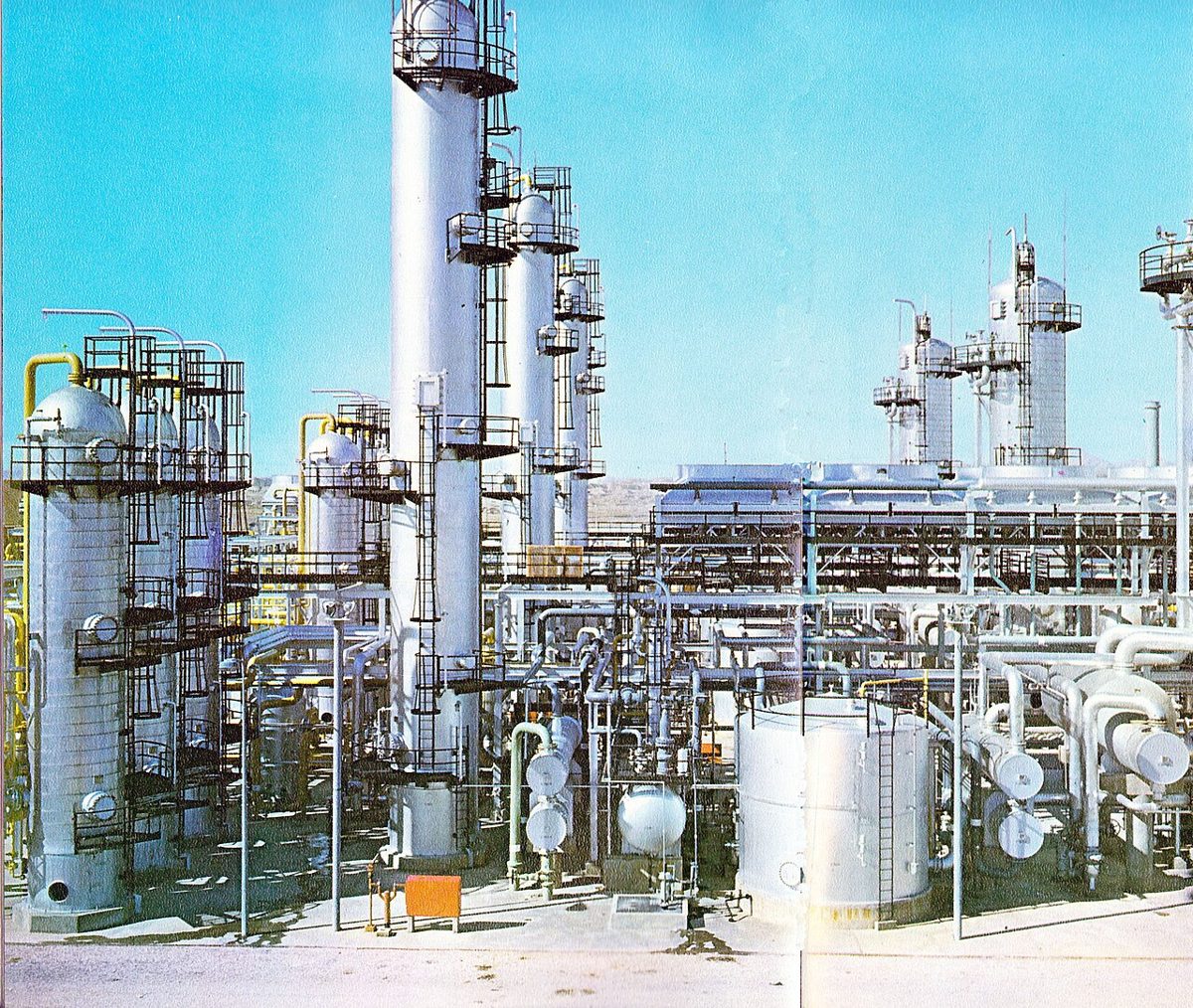
More than 10 workers of Petropars Company in Khuzestan's Khafaji town who protested layoffs and the replacement of local staff with workers from other provinces have been flogged. According to Iran International, the Union of Contracted Petroleum Workers and the Informal Petroleum Workers Council issued a joint statement on October 11, 2026, condemning the practice as "audacious cruelty" and "savagery," calling on workers, other workplaces, and the public to "unite and force the government to apologize and rehire dismissed workers."
According to the Karoon Human Rights Organization, these expert and locally-rooted Arab workers who objected to the layoffs, non-renewal of contracts, and replacement with non-local staff were flogged. According to HRANA, most of the workers held bachelor's or master's degrees. Khafaji's Second Criminal Court, Branch 101, handed down sentences on July 4, 2026, of 74 lashes and 20 million tumen in fines for each worker; sentences have been carried out. The two councils characterized the company management as "audacious," saying instead of responding to workers' grievances, management sued them for "blocking roads and causing damage" for gathering in front of the company; they alleged security forces used physical violence and detained workers. The councils branded the court "unjust" and the verdict "savage and medieval."
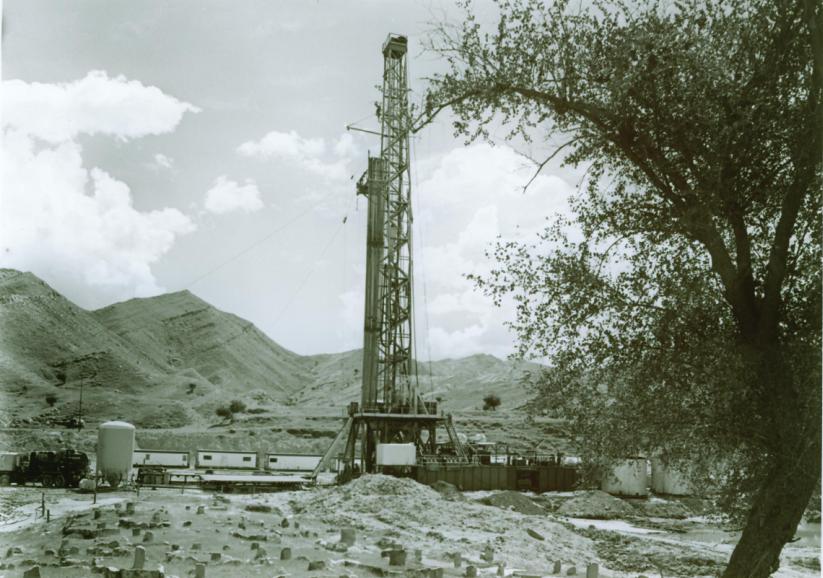
According to the statement, these workers had labored for years on South Azadegan oil field development projects but remained unemployed and uncertain after repeated appeals to local, provincial, and Tehran authorities. The two councils attributed widespread joblessness among contract workers to "government war-mongering worsened by economic conditions" and said these workers' lives were ruined. According to HRANA, when project work ended, the workers' contracts were not renewed and replacements were brought from Gilan and Fars provinces; workers repeatedly gathered outside company facilities and local government offices. HRANA also reported that despite the flogging and fines, workers continue gathering weekly outside the company to demand their professional reinstatement and rehiring.
The two councils emphasized that the flogging aimed to "intimidate" a broad population of jobless workers, addressing the government thus: "You flogged our friends thinking you could frighten a whole community of unemployed colleagues, but this is the end of our patience. When the anger of oil workers erupts, no savage and repressive force will stand; we will collapse the world on the heads of those who flog us. Have no doubt you will regret this."
Context
Flogging of protesting workers in Iran has precedent: in past years, 17 workers at the Ag-Dere gold mine were similarly flogged. Since the December 2025 protests, reports have noted increasing flogging sentences against detainees; for a broader human rights picture, see World Day Against Capital Punishment: 2,003 executed in Iran in one year. The UN Office of the High Commissioner for Human Rights has previously stated that flogging is contrary to international law and constitutes a cruel, inhuman, and degrading punishment that can amount to torture. The information in this article is based on Iran International's reporting from the Karoon Human Rights Organization and HRANA; independent verification or response from the company or official authorities remains unconfirmed.