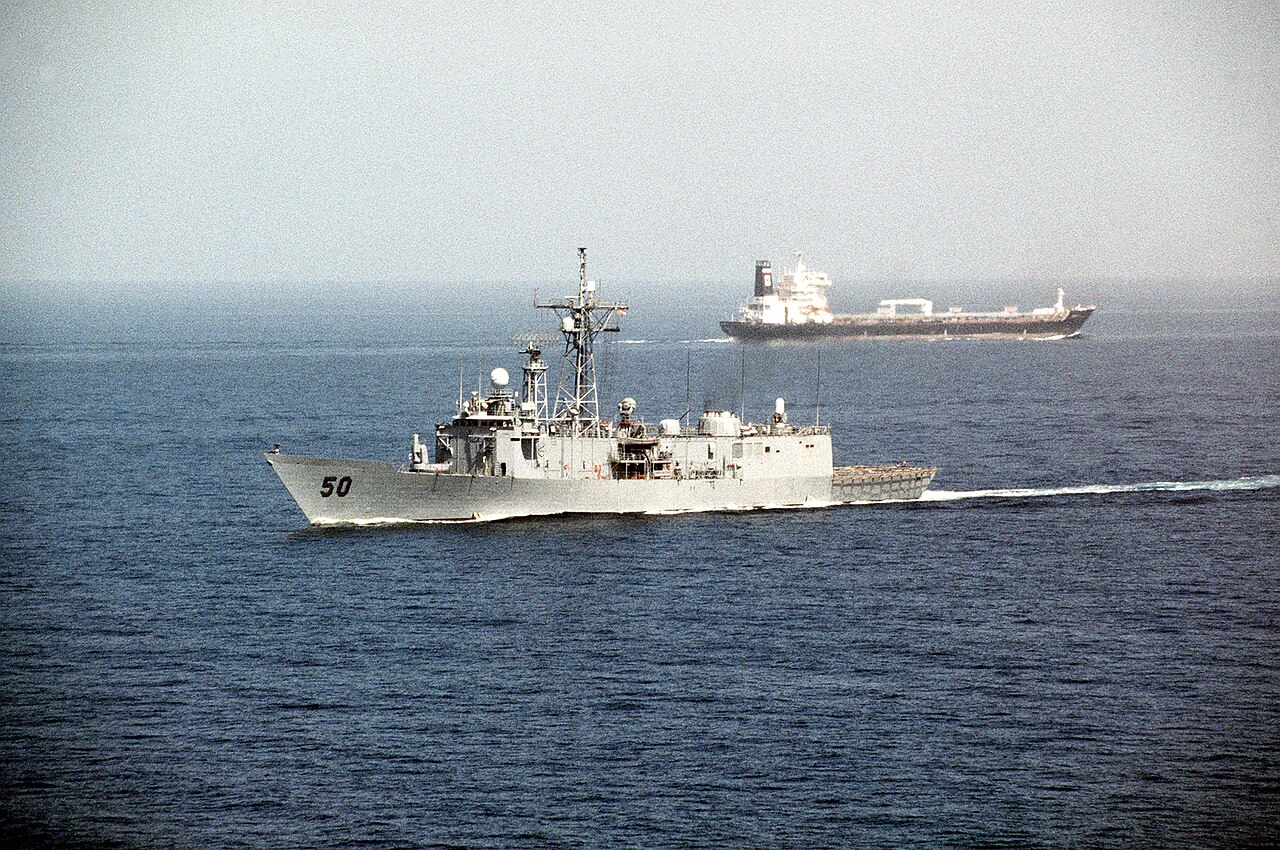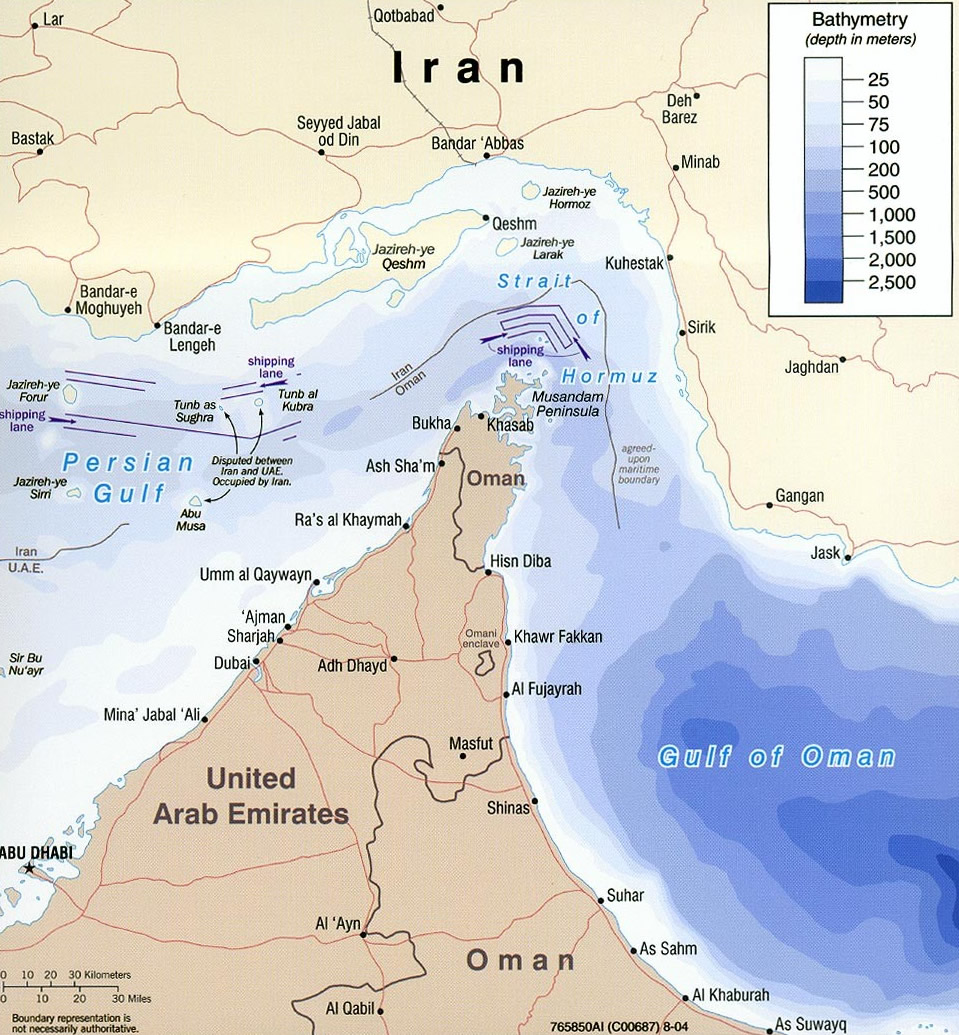
The third supertanker has caught fire after hitting a sea mine south of the Strait of Hormuz since Saturday. According to Ettelaat's report, Iran's Islamic Revolutionary Guard Corps (IRGC) Navy said a crude oil-laden vessel that had shut down its navigation and identification systems in an attempt to transit an unauthorized route struck a sea mine on Sunday afternoon, causing an explosion and severe fire in the engine room.
IRGC Navy Commander Admiral Ali Ozmayi said all ships in the strait that shut down navigation and identification systems would be considered "hostile" and would face "firm" action. According to Ettelaat, this is the third unauthorized supertanker in the same period hit by a mine and set on fire. The UK Maritime Trade Operations Office (UKMTO) had initially characterized a separate incident off Oman over the same weekend as an "accident," then updated it to "attack"; that incident involved an unconfirmed drone strike. IRNA reported that both incidents drove up global oil prices. According to Donya-ye Eghtesad, U.S. escort ships were withdrawn following an attack on a vessel the previous night, and two ships altered course and left the shipping lanes.
According to a separate IRNA report, the two separate tanker incidents off Oman and Hormuz over the weekend raised concerns in global oil markets and sustained the upward trend in crude prices. Regarding the drone strike on the Oman tanker, UKMTO had initially recorded it as a routine "accident," then updated its assessment to "attack"; this shift once again showed that the nature of incidents in the region is not immediately clear.
The Strait of Hormuz is a strategic waterway through which a significant portion of the world's seaborne oil trade passes; therefore, every incident in the strait reverberates through global energy markets. According to the IRGC's statements, regional inspections carry a deterrent aim against ships attempting to traverse routes declared "unauthorized" by shutting down navigation systems; however, the statements did not detail which countries owned or operated these vessels or information on crew safety.
How the Persian press covered it
| Source (orientation) | Headline / framing |
|---|---|
| Ettelaat (Moderate-traditionalist) | Highlighted IRGC commander's warning that "all rule-breaking ships are enemies." |
| IRNA (State news agency) | Linked the incident to rising global oil prices and separately reported the drone strike off Oman. |
| Donya-ye Eghtesad (Economic daily, technocratic) | Focused on U.S. escort ship withdrawal and course changes. |
Context
The cause of the tanker incidents in Hormuz was disputed the previous day: in an earlier story on what happened to a tanker in Hormuz, the IRGC attributed a fire to a mine while CENTCOM linked the same incident to its own air strike, and UKMTO used neutral "accident" language. According to the English-language source InvestingLive, this pattern continues: Iran attributes repeated tanker incidents to mines while U.S. Central Command claims some cases are drone or missile strikes. According to Yeni Şafak's English edition, explosions in the strait are occurring during a U.S. sea blockade that began in April 2026 and was reconfirmed in July. The exact number, identity, and cause of these incidents remain unconfirmed by independent sources; reported information is based on statements from the parties themselves. Tension persists despite an Iran-Oman safe-passage agreement signed in September; for the previous phase of this topic, see the Iran-Oman safe-passage agreement report.