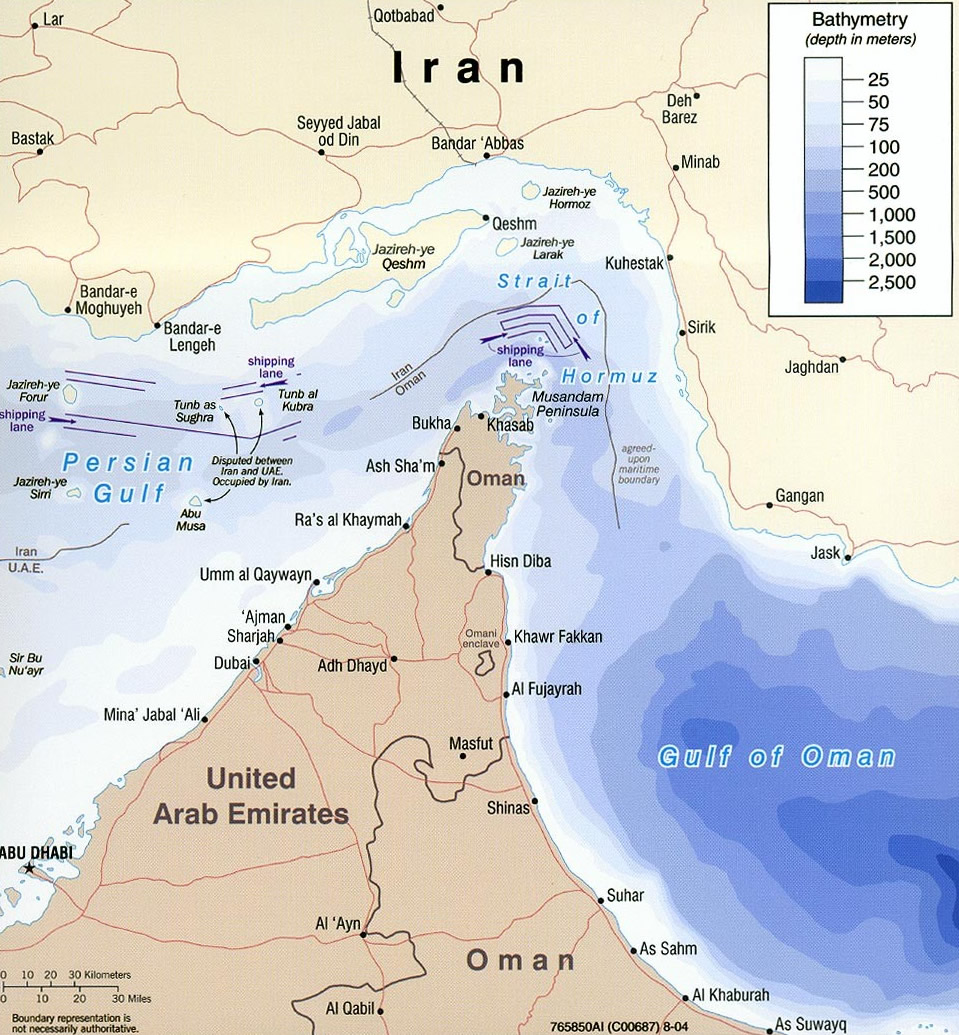
Iran's Deputy Legal Advisor at the Foreign Ministry, Kazem Garibabadi, said some foreign countries have filed suits over an alleged attack on a girls' school in the city of Minab in Hormozgan province on February 28, 2026, which Iran attributes to the United States and Israel. According to Kayhan, Garibabadi visited the Shajarah-ye Tayyibah School where the attack occurred and conveyed the President's special attention to the legal process and condolences to the families of the martyrs.
Garibabadi said "extensive documents related to the attack have been collected and sent to Tehran, reaching the indictment stage," and that those responsible for the attack must be held accountable in international bodies. According to IRNA, the delegation met not only with school officials but also with families in Minab. Garibabadi also alleged that a stadium in the town of Lamerd was "used as a testing ground for a new weapon," characterizing this too as a war crime; this claim remains unconfirmed by independent sources. According to Ettelaat, filmmaker Majid Majidi dedicated his film shown at the Busan Film Festival to "the oppressed children of Minab."
How the Persian press covered it
| Source (orientation) | Headline / framing |
|---|---|
| Kayhan (Hardline) | Highlighted foreign countries filing suits and the legal proceedings. |
| IRNA (State news agency) | Reported Garibabadi's school visit and meetings with families. |
| Ettelaat (Moderate-traditionalist) | Covered filmmaker Majid Majidi's dedication of his Busan film. |
Context
On February 28, 2026—the first day of the U.S.-Israel war—an attack on the Shajarah-ye Tayyibah girls' elementary school in Minab caused varying casualty figures: Minab's prosecutor cited at least 108 deaths; Iran's Foreign Ministry said 168; some accounts sourced to WikiShia cited 156; and Al Jazeera reported deaths exceeded 170, mostly female students. Initial statements from a deputy governor cited only 5 deaths, which the Education Ministry later raised to 53; these wide discrepancies remain unconfirmed by independent sources. According to Al Jazeera's imagery analysis, a U.S. Tomahawk missile appears to have struck the site; Iran characterizes the attack as a "double-tap" and attributes it to the United States and Israel. Human Rights Watch said the incident should be investigated as a war crime; Amnesty International stated that U.S. officials may have known the building was a school and should have taken reasonable measures to avoid civilian harm. The UN Human Rights Council condemned the attack.
Since March 2026, legal complaints have been filed with the International Criminal Court prosecutor and prosecutors in countries with universal jurisdiction such as Germany, France, Belgium, Spain, Norway, and the Netherlands; these filings alleged the attack violated the UN Charter's prohibition on the use of force. In April, Hormozgan province's judiciary reportedly sent a 337-page file to international legal institutions and national courts; in May, a criminal complaint in Iran characterizing the attack as a war crime was filed. Today's statement suggests the process has advanced to formal court proceedings in some countries, though which countries and at what stage remain unconfirmed by independent sources; to date there has been no independent report of any foreign court accepting or proceeding with the case. Following the attack, Iran also launched a separate legal initiative called "The Last Bell from Heaven" targeting attacks on children, indicating sustained legal pursuit at both official and civil levels.