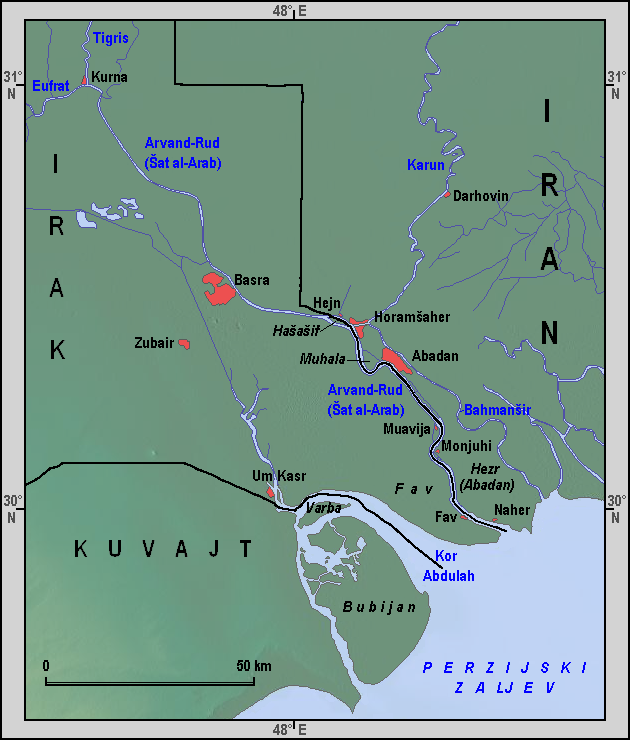
According to Hamshahri's report, Iraqi Prime Minister Ali Falih al-Zaydi instructed that a file be opened and an investigation be launched into Meysan Provincial Council chief Mustafa Duayir Abdulhassan, who gave the government a one-week deadline to reopen the Sheeb (called Cezabe in Iran) border crossing with Iran. The step came after the Meysan official warned al-Zaydi the previous day that if the gate was not opened within the stated timeframe, the public would resort to civil disobedience and blocking roads in the province.
According to Reuters, Iraq closed the Sheeb crossing to passenger, vehicle, and commercial truck traffic on October 21, citing the need for a security review and installation of anti-smuggling detection equipment. An Iraqi border official said existing security measures were "weak and insufficient." From Iran's side, Provincial Governor Valollah Hayati stated that consultations were ongoing between Iran's Interior Ministry and Iraqi provincial administrations to reopen the crossing, meanwhile recommending that passengers use the Shalamcheh gate instead.
In the "news-analysis" format, Kayhan reported that dozens of people in Meysan took to the streets in protest of the gate's closure and blocked the main road to the province's oil companies. Kayhan presented the demonstrations as a reaction by the peoples of the two countries to a government decision made under US pressure, citing historic and religious ties between them.
How the Persian press covered it
| Source (orientation) | Headline / framing |
|---|---|
| Hamshahri (municipality, principlist) | Framed the story as an administrative crisis within the Iraqi government; emphasized the PM's "unusual" measures against the local official. |
| Kayhan (hardline) | Presented the event as a demonstration of Iraqi public support for Iran, with reference to US pressure; characterized the PM as a "young trader" damaging relations. This commentary is Kayhan's own and does not represent Farsçadan's view. |
Context
Sheeb/Cezabe and Shalamcheh are two of the main land border crossings between Iran and Iraq and are critical for pilgrimages, trade, and worker transit. According to Reuters, Iraq had closed both gates indefinitely in September following drone attacks on Saudi Arabia, and shortly thereafter traffic through Shalamcheh resumed following negotiations; Tehran rejected accusations about the source of the attacks and requested a joint investigation with Iraq, which the Iraqi government accepted. Sheeb's renewed closure on October 21 came this time with a security inspection rationale; the local Meysan administration's response with a one-week ultimatum shows how vital the border crossing is to the province's economy. There is no evidence that the disagreement extends beyond border-gate operations or reaches the level of Iran-Iraq relations or US sanctions.
Meysan is one of Iraq's provinces closest to the Iranian border, and its economy depends heavily on border trade and oil companies; the gate's closure therefore directly harms local employment and small businesses. The PM's decision to open a file against the provincial council chairman shows the central Baghdad government's determination to maintain security-based closures despite local political pressure. Iraq's government appears caught between US regional sanctions and anti-smuggling enforcement on one side and local economic needs on the other—a dynamic that suggests similar border-gate disputes may recur in the coming weeks.