Qatar's Prime Minister and Foreign Minister Muhammad bin Abdulrahman bin Jassim Al Sani, in a speech on regional relations and Gulf security, said that any attack on foreign military bases in Gulf Arab states would be considered an attack on those nations' sovereignty. According to Donya-ye Eqtesad's account, Qatar's Prime Minister said: "Facilities hosting foreign powers in Qatar, the United Arab Emirates, Saudi Arabia, or other Gulf Cooperation Council member states are in fact sovereignty facilities of the host nations."
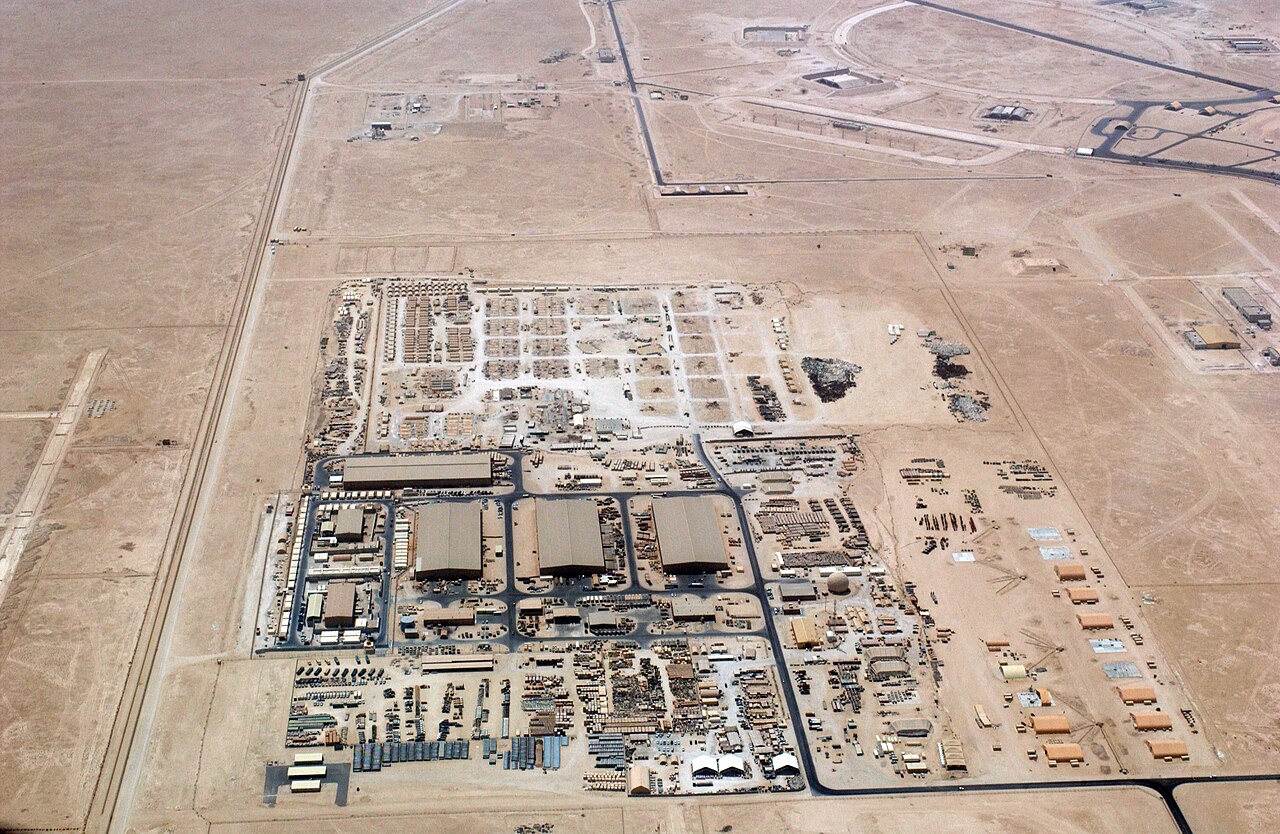
The Qatar Prime Minister noted that Qatar's Al Udeid Air Base hosts U.S. forces as well as NATO forces and troops from several European nations. According to Hamshahri's account, he said: "An attack on a nation is an attack on its sovereignty and integrity; there is no justification for it, even if an American facility is located there, because these facilities belong to the host nations, not to America." Donya-ye Eqtesad noted in its report that Qatar's Prime Minister did not directly reference Iran's alleged strikes on U.S. bases in the region.
The Prime Minister also touched on the need for a security arrangement with Iran: "Imagine a world where we have such a joint security arrangement with Iran; Iran has scarce water resources in the Gulf region," and he argued that increased areas of common interest between countries would make it harder for leaders to take hostile steps. According to Donya-ye Eqtesad's report, the Prime Minister added that countries like the UAE and Saudi Arabia are working on alternative routes to move energy outside the Gulf.
The Prime Minister, noting that Qatar occupies a different position from other Gulf producers due to liquefied natural gas being its principal export, said that alternative energy transit routes can never replace the Strait of Hormuz for Qatar: "For us, such a route can never take the place of the strait; therefore, the Strait of Hormuz will remain the main artery." According to Hamshahri's account, the Prime Minister argued that increased common interests among regional nations is the most reliable path to reduce war risk for decision-makers.
How the Persian press covered it
Two sources conveyed the statements largely the same way, but Donya-ye Eqtesad added an editorial note:
| Source (orientation) | Headline / framing |
|---|---|
| Donya-ye Eqtesad (Economic daily, technocratic) | Economic framing emphasizing "Hormuz remains the main artery," noting silence on U.S. base attacks |
| Hamshahri (Tehran municipality, principlist) | Security/sovereignty framing: "Attacks on the Gulf are attacks on sovereignty"; highlights the call for a security arrangement with Iran |
Context
Background:
- May 2026: Qatar's Prime Minister told the Financial Times that they had received assurances that the Strait of Hormuz would be kept open (Qatar Tribune/Gulf Times).
- Summer 2026: Qatar condemned attacks while emphasizing that energy facilities are not military targets and are the people's livelihood (Gulf Times).
- Nov. 16, 2026 (today): The Prime Minister reiterated the same sovereignty framework, this time specifically in the context of attacks on foreign bases.
Who is who / concept: Al Udeid Air Base (also spelled Al-Udeid), located in Qatar and known as one of the largest U.S. Air Force bases in the Middle East, also hosts NATO and troops from various European nations.
By the numbers:
- Qatar's Prime Minister made the "Hormuz remains the main artery" statement on Nov. 16, 2026 (Donya-ye Eqtesad, Hamshahri).
- Qatar stated in a May 2026 Gulf Times report that it had received international assurances about keeping Hormuz open.
- According to Qatar Tribune's report, Qatar's Foreign Ministry spokesperson Majed al-Ansari said the Strait of Hormuz "must remain open under all circumstances"; this represents the official position aligned with today's Prime Minister statement.
Turkey dimension: Tensions at the Strait of Hormuz and base security discussions in the Gulf directly concern energy transportation and thus affect the regional energy trade in which Turkey participates; however, the Qatar Prime Minister's statement today made no direct reference to Turkey.
What's next: Whether Qatar's call for a "joint security arrangement" with Iran translates into concrete negotiations remains unclear; no official schedule or proposal has been announced. Whether Qatar continues its regional mediation efforts will depend on how other Gulf nations respond to this call. Indeed, the very next day, November 17, UKMTO reported a new tanker security incident in the Strait of Hormuz, giving fresh relevance to the Prime Minister's "main lifeline" framing (Farsçadan).
Fairness note: The Prime Minister's assessments regarding attacks were directly attributed to him; claims about the legal status of U.S. bases were limited to "according to Qatar's Prime Minister" and were not presented as definitive rulings.