Muhammad al-Bukhaiti, a member of Yemen's Ansarullah political bureau, warned Saudi Crown Prince Muhammad bin Salman on the El-Ahd channel after a "major" victory in fighting at Bab-el-Mandeb. According to ISNA's account, al-Bukhaiti stated that the United States, United Kingdom, France, and Israel sided with Saudi Arabia against Yemeni forces in this confrontation. According to Hamshahri's report, al-Bukhaiti recalled words attributed to the founder of the Saudi Kingdom, Abdulaziz bin Saud, spoken to his children before his death—"These are because of Yemen"—and issued this warning to bin Salman: the war's objectives could shift from a defensive to an offensive position and could ultimately lead to the overthrow of Al Saud rule and "breaking the devil's horn."
In a separate statement, Hizam al-Esad, another member of Ansarullah's political bureau, claimed that Yemen's military and popular committees had captured large quantities of modern American-made weapons and equipment from Saudi "mercenaries" and affiliated militias. According to Hamshahri's account, al-Esad said the equipment was concentrated particularly in armored vehicles and artillery systems, and that the Saudi regime had spent tens of billions of dollars from its treasury to purchase them.
Earlier reports in the English-language press show that the Houthis have made similar threats before: an Al Jazeera report from July 2026 quoted a senior Houthi official threatening a "siege" on Saudi Arabia after an attack on a Yemeni airport, and Al-Monitor reported at the same time that the Houthis announced a naval blockade of Saudi Arabia. The phrase "overthrow of Al Saud rule" in today's statements, however, did not appear with such clarity in previously publicized Houthi rhetoric; therefore, the scope and seriousness of the claim has not been verified by independent sources.
Al-Bukhaiti also described Saudi Arabia as "the most infidel and hypocritical among Arabs," citing a Qur'anic phrase—an example of the religious framing frequently used in Houthi discourse that was reported as such. According to Hamshahri's report, al-Esad argued that the captured equipment was in large quantity and imposed a heavy financial burden on the Saudi treasury; however, the report offered no independent verification of the type, quantity, or conditions under which the equipment was seized.
How the Persian press covered it
Two sources reported Houthi statements; Hamshahri expanded the coverage that same day with two separate stories:
| Source (orientation) | Headline / framing |
|---|---|
| ISNA (Semi-official) | "Ansarullah warns bin Salman" — places the direct threat in the headline |
| Hamshahri (Tehran municipality, principlist) | "Final warning issued to bin Salman" and separately "Alarming news for Saudis: advanced American equipment in Ansarullah's hands" — covers the threat and equipment claims in separate stories |
Context
Background:
- July 2026: After an attack on a Yemeni airport attributed to Saudi Arabia, the Houthis announced a naval blockade of Saudi Arabia (Al-Monitor, Al Jazeera).
- August 2026: A senior Houthi official announced that Houthis would "teach Saudi Arabia a lesson" and would escalate attacks around Bab-el-Mandeb (ITV News, August 2026).
- Nov. 16, 2026 (today): Following claims of a "victory" at Bab-el-Mandeb, Houthi officials expanded their warning language to include "overthrow of Al Saud rule."
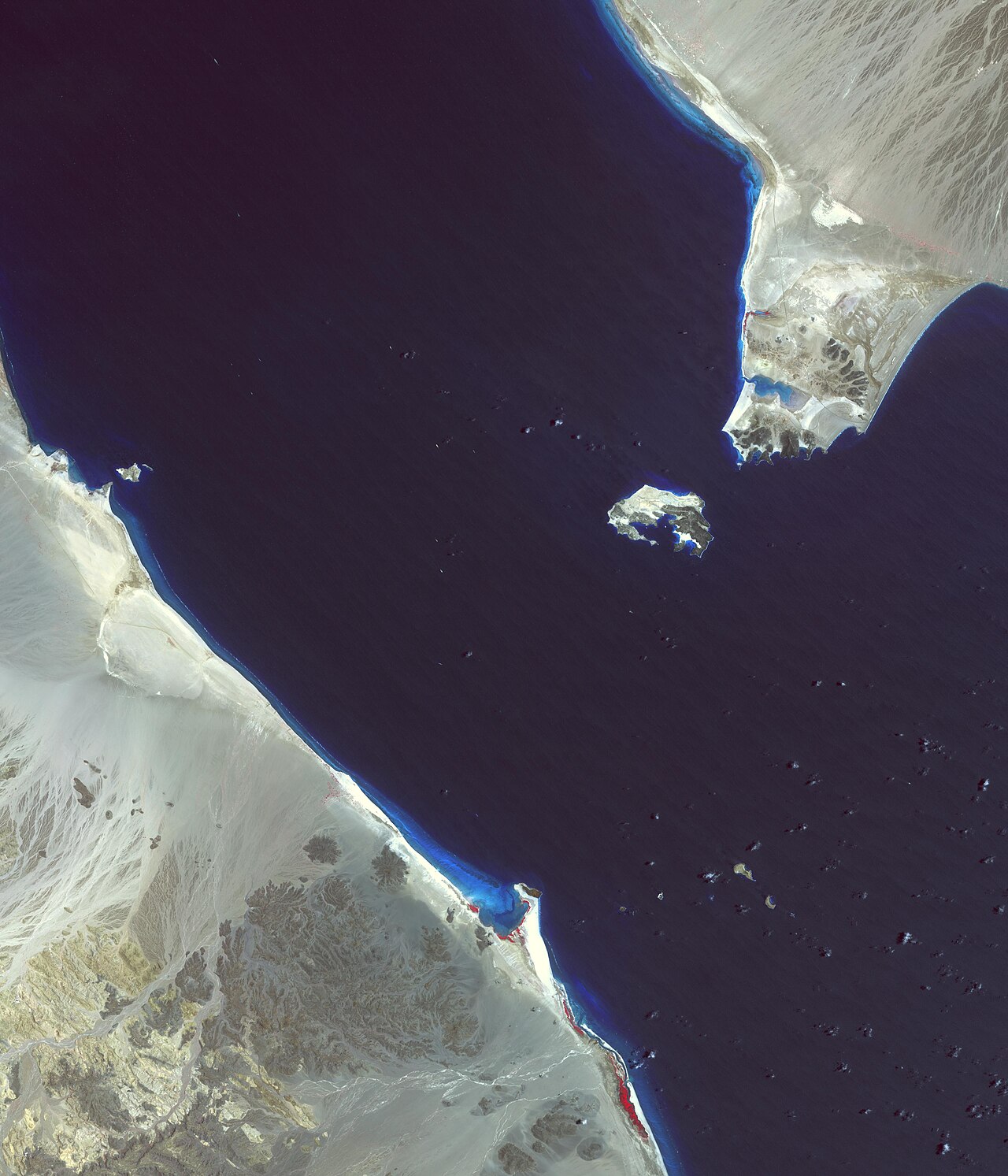
Who is who / concept: Ansarullah (commonly known in English as "Houthis"), a Zaydi-Shia armed political movement close to Iran that has controlled much of Yemen's north since 2014. Bab-el-Mandeb is a strait of strategic importance to global oil and container shipping, connecting the Red Sea to the Gulf of Aden.
By the numbers:
- According to shipping data, Saudi Arabia transported more than 3.6 million barrels per day of crude oil and refined products through Bab-el-Mandeb in recent months due to disruptions at Hormuz (Al-Monitor, July 2026).
- When announcing their naval blockade in July 2026, the Houthis stated it would apply to all ships serving Saudi ports, regardless of flag, ownership, or operator (Al Jazeera/Al-Monitor, July 2026).
Turkey dimension: Tensions around Bab-el-Mandeb and the Strait of Hormuz could indirectly affect the Red Sea–Suez maritime trade route used by Turkey; however, today's Houthi statements made no direct reference to Turkey.
What's next: Whether the "regime change" rhetoric articulated by Houthi officials translates into concrete military action remains unclear; Saudi Arabia has not yet issued an official response to today's statements. Indeed, the very next day, November 17, a new drone attack from Yemen was reported at Riyadh's King Khalid Airport, suggesting the regional tension is continuing (Farsçadan).
Fairness note: Claims about seized equipment and "overthrow of Al Saud rule" were directly attributed to Houthi spokespersons; since these claims have not been verified by independent sources, they were noted as unconfirmed and were not presented as fact.