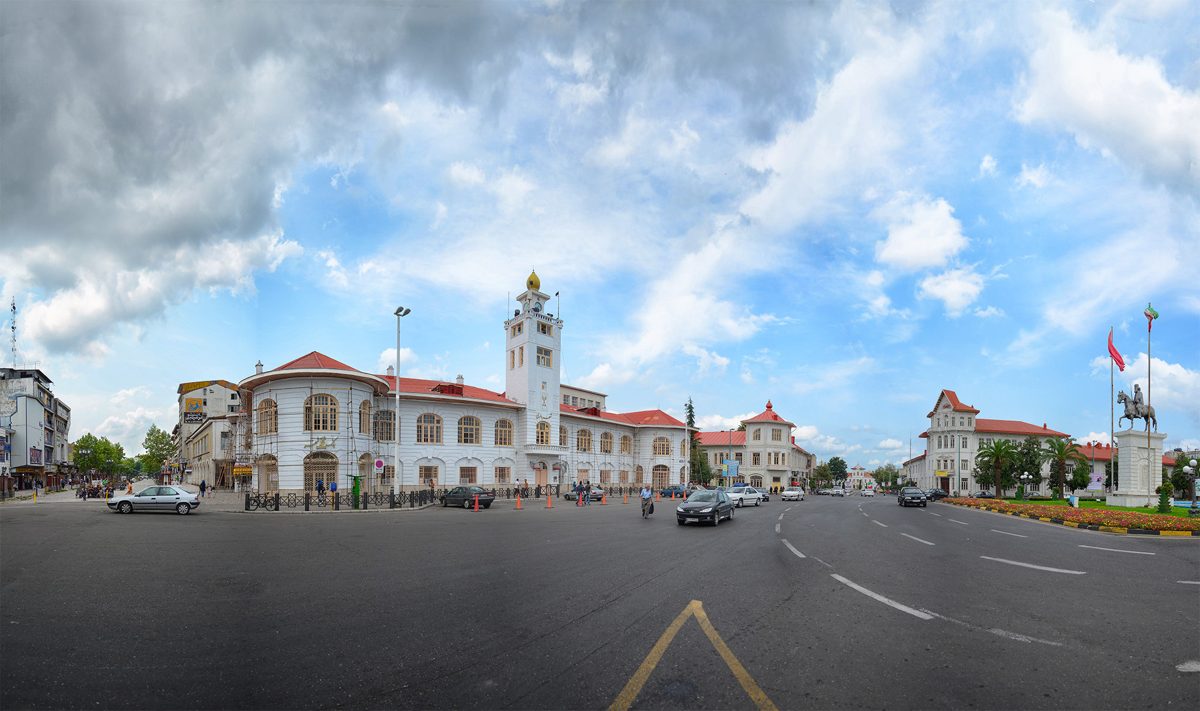
Human rights news site HRANA reported Wednesday that poet and political prisoner Peyman (Emin) Farahavar, sentenced to death at Laken Prison (in Rasht), was notified that his file had been referred to the enforcement division (branch-i icra-i ahkam). Iran International reported that Farahavar told his family in a phone call on November 18 that he had received notification his case was sent to the enforcement division; this development puts him at immediate risk of execution.
Farahavar's petition for retrial was rejected April 26, 2026, and his death sentence was upheld mid-year 1404 (Iranian calendar) by the Supreme Court's 39th Division. The poet was sentenced to death in May 2025 at Rasht Revolutionary Court 1, presided by Judge Ahmed Derviş-Guftar, on charges of "bagy" (armed rebellion) and "muhareb" (enmity toward God). According to Iran International's earlier reporting, Farahavar was tried without his chosen lawyer and in a closed hearing; a source familiar with the case said the charges rest largely on his poetry, speeches, writings, and his advocacy for social justice, criticism of economic injustice, and defense of citizens' rights.
Intelligence Ministry forces detained Farahavar at his home in September 2024, then transferred him to Laken Prison after approximately a month of coercive interrogation. He reportedly suffered internal bleeding and severe health problems during interrogation and was denied adequate medical care despite medical warnings. Farahavar is a father of a child and has a prior record of detention for his activism.
Germany-based writers' organization PEN Berlin condemned the death sentence in a 2025 press release, noting that Farahavar was not allowed to be represented by his chosen lawyer and had only a court-appointed attorney; human rights organizations say the case is part of a broader crackdown on poetry and civic activism. According to HRANA's English publication, Farahavar's lawyer Ramin Safarnia said they plan to submit a new retrial petition to the Supreme Court and hope to overturn the sentence through legal channels.
Context
Background:
- September 2024: Intelligence Ministry forces detained Farahavar at his home.
- April–May 2025: Rasht Revolutionary Court 1 sentenced Farahavar to death on charges of "bagy" and "muhareb."
- September 2025: The Supreme Court's 39th Division upheld the death sentence.
- April 26, 2026: The Supreme Court rejected Farahavar's retrial petition.
- November 9, 2026: Farahavar was notified his case was referred to the enforcement division.
Who and what: Muhareb ("armed enmity toward God"), a crime category in Iranian law punishable by death; human rights organizations note this charge is frequently used in cases against dissident writers and activists. Farahavar writes under the pen name "Sheyda" and his work focuses on environmental protection and social justice themes; according to HRANA's English publication, the 37-year-old poet from Gilan province had conducted civic awareness work in the region for years.
By the numbers:
- According to HRANA, at least 87 people have been executed on political and security charges from January 1, 2026 to November 8, 2026; approximately 220 face death sentences on the same charges (Iran International, November 11, 2026, citing human rights reports).
- The "Say No to Tuesday" campaign announced in a November 8 statement that hunger strikes were underway in 66 prisons (Iran International, November 11, 2026).
What's ahead: Referral to the enforcement division means execution could take place within days; the execution date has not been officially announced. PEN Berlin and various UN rapporteurs say the case is being closely monitored; whether his family and lawyer are preparing a new legal petition remains unannounced.
See our report on boxer Vafaei Sani, Magnitsky award recipient facing execution, another example of political imprisonment.