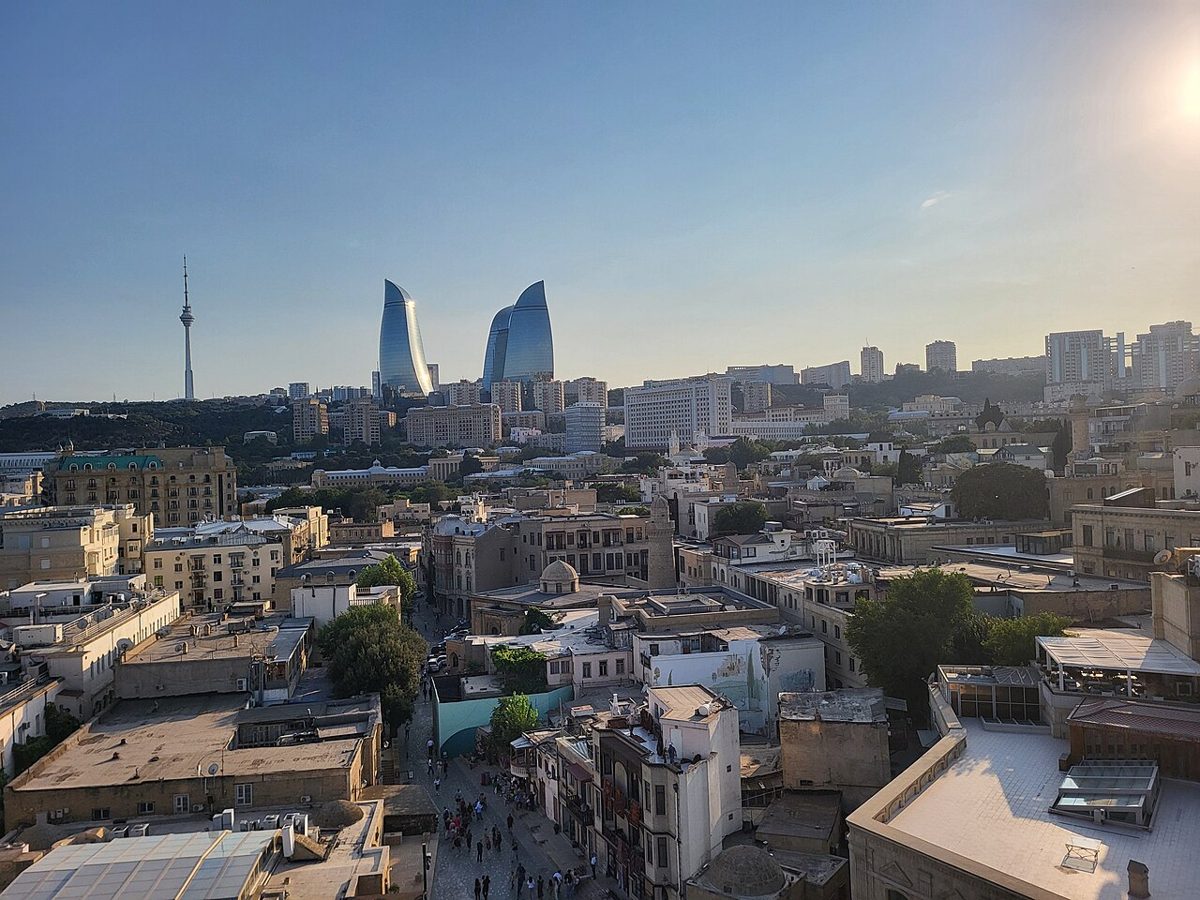
According to Khabaronline's report from Al-Monitor, President Recep Tayyip Erdoğan's visit to Baku on Sunday for ceremonies commemorating Azerbaijan's 2020 victory over Armenia on November 8 is being viewed as an attempt to obscure a deepening crisis between the two longtime allies. Al-Monitor correspondent Amberin Zaman argues that Azerbaijan's school headscarf ban is merely the surface; the real dispute extends from Baku's close ties to Tel Aviv through Ankara's normalization efforts with Yerevan.
According to the report, Erdoğan framed the visit as representing bonds between the two nations that transcend "diplomatic frameworks" and emphasized ongoing "telephone diplomacy" between his wife Emine Erdoğan and Azerbaijani First Vice President Mehriban Aliyeva. However, the tensions run deeper, as evidenced by Ilham Aliyev's refusal last week to attend an Organization of Turkic States summit in Istanbul. This came despite the removal of Erdoğan's chief advisor Oktay Saral at Baku's request and the temporary detention of two Islamist activists in Turkey who had criticized Aliyev. Foreign Minister Hakan Fidan's meetings with Aliyev and Foreign Minister Bayramov at an Asian summit in mid-October likewise failed to ease the crisis. According to The National, the visible flashpoint was Azerbaijan's school headscarf ban; Al Jazeera reported the ban sparked protests in Baku in October and the Interior Ministry announced 37 arrests for disturbing public order.
According to Al-Monitor, the dispute has material dimensions: Azerbaijan's investments in Turkey between 1995 and 2025 reached $18.4 billion; the state oil company SOCAR holds 32.97% of the Baku-Tbilisi-Ceyhan pipeline and 51% of TANAP. While Ankara objects to Baku's military-security ties with Tel Aviv, Baku resents Turkey's normalization efforts with Yerevan; awareness that much of the oil flowing through the BTC line goes to Israel has sparked calls in Turkey to halt the pipeline. According to Al-Monitor, Aliyev directly expressed discomfort last month at his party's meeting with the narrative that Ankara played a decisive role in the 2020 Karabakh victory, and implied that some allies were selling weapons at prices far above market value.
Context
Azerbaijan is one of Turkey's closest allies and a critical partner for energy security; the Baku-Tbilisi-Ceyhan and TANAP pipelines form vital arteries carrying Caspian gas to Europe through Turkey. According to Al-Monitor, the opening of a drone production line near Baku by Selçuk Bayraktar, Erdoğan's son-in-law and head of defense contractor Baykar, is one of the interests at risk from a breakdown. The article notes that Turkey's major Ponzi scheme scandal harmed at least 450,000 investors at the same time Ankara sought financial support from Baku; the BBC Azerbaijani service framed the situation with the headline "we are your brothers, not your bank." Geopolitical interests and energy pipelines have so far prevented total collapse, but according to Al-Monitor, resolving these multi-layered disputes requires far more than ceremonial visits on Victory Day.
According to The National, on September 22 Erdoğan told the UN General Assembly that school headscarf bans amounted to attacks on women's most basic rights, an indirect criticism of Baku's policy. Al Jazeera reported that Azerbaijan's ban sparked nationwide protests in October and the Interior Ministry announced 37 arrests for public disorder offenses; Arab News reported that Azerbaijan also filed charges against a Turkish journalist for calls to overthrow the government. This tension represents a rare public rift between the two nations, contrasting sharply with decades of "one nation, two states" rhetoric; the sides have so far tried to keep the dispute largely off the public record, handling it through diplomatic channels.