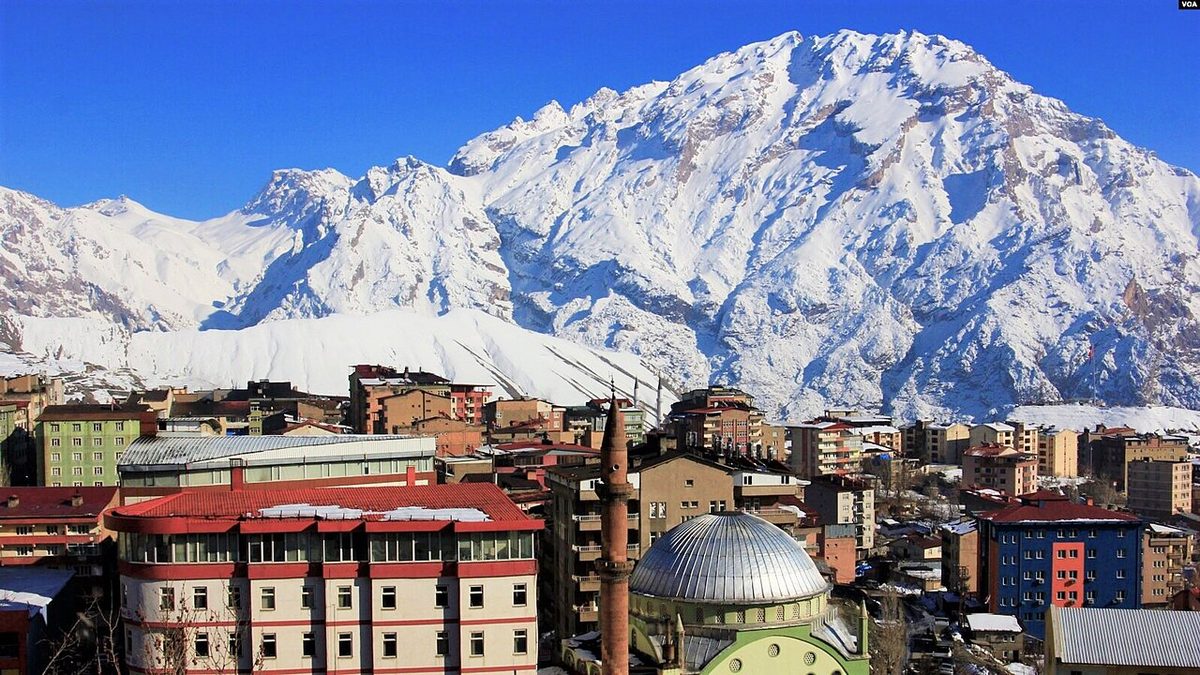
According to a long profile published by the reformist Khabaronline, Abdullah Öcalan was born on April 4, 1949, in the village of Omerli, near the Halfeti district of Şanlıurfa. The article describes how Öcalan attended a vocational school in Ankara in the late 1960s, worked at the land registry office in Diyarbakır, and enrolled at Ankara University's Faculty of Political Sciences in 1971—a period when the faculty was a hub for leftist and student activism. According to Khabaronline, Öcalan and his associates founded an informal group called "Kurdistan Revolutionaries" in 1973; viewing Kurdistan as a "colony," the group called for an armed Marxist-Leninist vanguard structure. On November 27, 1978, at a secret congress near Fis village outside Diyarbakır, the Kurdistan Workers' Party (PKK) was formally established and Öcalan was elected general secretary.
According to the article, Öcalan left Turkey shortly before the September 12, 1980 coup and moved to the Bekaa Valley in Lebanon under Syrian and Palestinian group control. Khabaronline notes this enabled military organization and the establishment of guerrilla training facilities like the Mahsum Korkmaz camp. On August 15, 1984, the PKK launched an armed struggle with simultaneous raids on military barracks in Eruh and Şemdinli. Khabaronline links these clashes to over 40,000 deaths, the destruction of thousands of villages, and the displacement of millions, though it does not cite the source for these figures. Öcalan moved his political center to Damascus, and in the late 1980s and early 1990s the PKK mobilized large portions of the Kurdish population in Turkey and Europe.
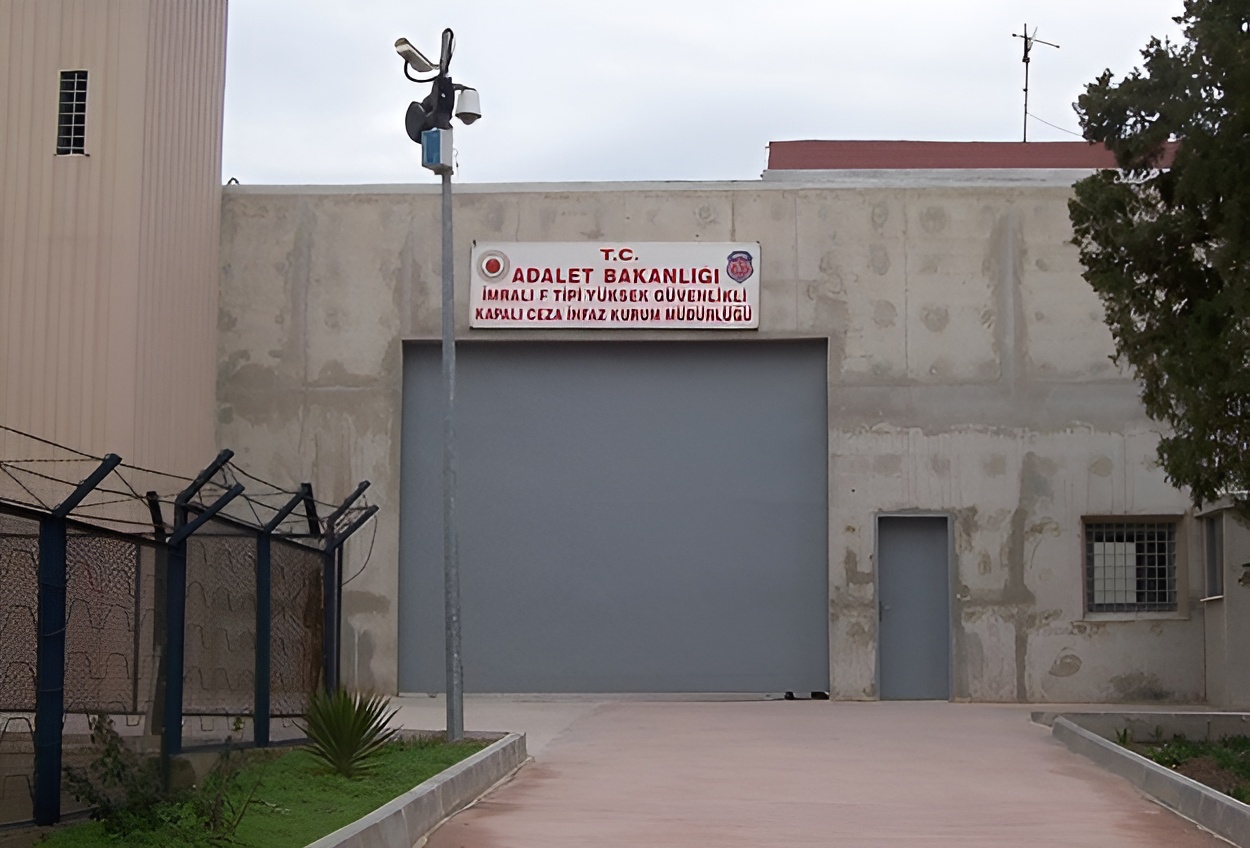
According to the article, Syria expelled Öcalan in autumn 1998 under Turkish military pressure over PKK support. Öcalan moved through Moscow, Rome, and Athens but European countries declined his asylum requests due to diplomatic pressure from Turkey and the United States. On February 15, 1999, after leaving the Greek embassy in Nairobi, he was captured and brought to Turkey. Khabaronline describes this—without citing a source—as a joint CIA, MIT, and regional intelligence operation; this claim should be marked "unconfirmed." Transferred to İmralı Island, Öcalan was sentenced to death in June 1999 for "attempted partition of the state"; when Turkey abolished capital punishment in 2002, his sentence was commuted to life imprisonment.
According to Khabaronline, during years of solitary confinement, Öcalan read hundreds of books and was influenced by Murray Bookchin, Fernand Braudel, and Michel Foucault, revising his views to develop "democratic confederalism"—rejecting an independent Kurdish state, centering women's freedom (the slogan "Jin, Jiyan, Azadî"), participatory assembly democracy, and ecology. Between 2012 and 2015, the Erdoğan government held direct talks with Öcalan in İmralı (the "peace process"). At 2013 Newroz, Öcalan called for the "weapon era" to end and the "politics era" to begin. Following the 2015 elections and escalating Syria conflict, talks collapsed and fighting reignited. Khabaronline reports Öcalan was subjected to communication isolation, unable to meet lawyers, family, or political delegations, sparking protests and hunger strikes among supporters in Turkey and Europe. According to the article, the PKK decided to lay down weapons in 2025; on November 1, 2026, Öcalan was transferred from his cell to a new residential unit on the island to allow political delegations to visit—some outlets called it a "villa," while a lawmaker said it was a newly constructed building.
Context
Khabaronline's portrait is written in largely descriptive language; it identifies Öcalan as a "charismatic leader," acknowledges the violence of the PKK's armed campaign, but provides limited detail on the causes of the post-2015 collapse or the conditions of the current process. In the article, claims presented cautiously—particularly the CIA involvement in Öcalan's 1999 capture—remain unconfirmed. Allegations against Öcalan are based on a final court judgment; the presumption of innocence applies to suspects still under prosecution. The PKK's 2025 decision to lay down weapons has become a current element of Turkey's long-running Kurdish question debate; the article lacks specifics on the political response to this process in Ankara.
🤖 Generated with Claude Code