The Experts Assembly, the body with constitutional authority to select and oversee the leader, released a statement reaffirming hijab as a "religious duty and legal obligation" and calling on cultural and executive agencies for a comprehensive program against the "normalization of impropriety." According to Iran International's compilation of Persian press accounts, the assembly resisted reducing the law to a "temporary matter," demanded coordination with religious education and public culture, and recommended that methods like "wisdom, rationality, and persuasion" accompany strict law enforcement.
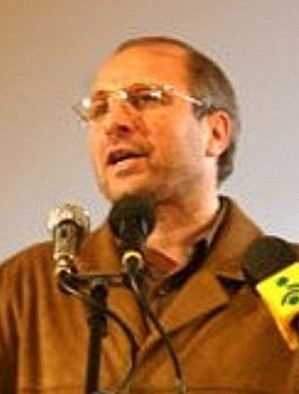
The statement's emphasis on "announcing" the hijab and chastity law draws attention, as the topic had previously been disputed among officials. Assembly Chair Muhammad Baqir Qalibaf disclosed in May 2025 that the National Security Council secretariat had formally requested that the law not yet be announced. In recent weeks, however, judicial officials pressed enforcement; Judiciary Spokesman Ali Qazi announced October 7 that the prosecutor had written to relevant agencies including the Interior Ministry demanding they fulfill their duties. These demands come amid continued instances of women on Tehran streets without mandatory covering—an AP report from September noted that in recent years some dress restrictions have loosened enforcement, partly as a result of 2022 protests.
On foreign policy and security, the assembly named strengthened defense, intelligence, cyber, and air defense readiness as "strategic imperatives" and called on armed forces to take firm stands against any threat and attack. The statement, referencing U.S. official threats, demanded diplomacy, legal institutions, and national security bodies take a stance against threats and assault. This came during a period of sustained U.S. military and economic pressure; per Axios reporting from October 16, Washington maintains naval blockade and sanctions; one U.S. official told the outlet that Iran's government appears to prefer negotiation over the U.S. counter-proposal to end the war—a claim left unverified.
The assembly emphasized that national protection requires more than military force, encompassing economic, societal, cultural, food, energy, and psychological security as part of national security. Treating "public trust" as an element of deterrence, the assembly called on officials to reinforce that trust by improving living conditions. In an economic section addressing inflation, purchasing power loss, market instability, and housing and employment problems, the statement demanded programs from the government with time-bound, accountable, and measurable metrics. The statement warned that arbitrary and discriminatory law enforcement undermines public trust and called for equal application of laws, closing with a call for inter-branch cooperation and correction of administrative errors.
Context
The Experts Assembly consists of 86 members elected by popular vote and has constitutional power to select and oversee the leader; its statements typically reflect joint institutional hard-line position. This statement came immediately after Trump's remark rejecting nuclear weapons but keeping "mother bombs" on the table (Trump rejected nuclear arms but kept "mother bombs" on the table) and coincides with a week of tightened hijab enforcement.