The Iraqi government said it has obtained an exemption allowing Iranian airlines to operate 40 flights a day to Najaf International Airport. According to Ettelaat, citing Al Jazeera, the permit covers Iranian carriers other than Mahan Air. The Iraqi government said the exemption was granted to facilitate passengers' entry into and exit from Iraq and to support humanitarian and medical needs.
In the statement, Iraqi Prime Minister Ali al-Zaidi thanked the US government for its "positive response and cooperation." The prime minister's office stressed that Iraq builds its foreign relations on "the interests of its people and balanced, positive relations with countries." Earlier, OFAC, part of the US Treasury Department, had announced that Iraqi Airways could continue Iran–Iraq flights under a limited license only if they departed from and returned to Najaf.
How the Persian press covered it
The way the story was presented diverged markedly across outlets:
- IRNA (state): Highlighted Ammar al-Hakim, leader of Iraq's National Wisdom Movement, thanking the Iraqi prime minister for working to restart the flights. It made no mention of US approval.
- Ettelaat: Relayed the Iraqi government's statement, including the part thanking the United States.
- Iran International (opposition): Ran the story under a "with US approval" headline and recalled the chronology of events:
- Sept. 8 (17 Shahrivar): The US Treasury added 35 companies, including 27 Iranian airlines, and 1 individual to its sanctions list.
- Sept. 25 (3 Mehr): Najaf Airport suspended flights to and from Iran.
- Oct. 1 (9 Mehr): Iran's Foreign Ministry described the US restrictions as "a dangerous plot aimed at damaging relations between friendly countries, especially neighbors."
Context
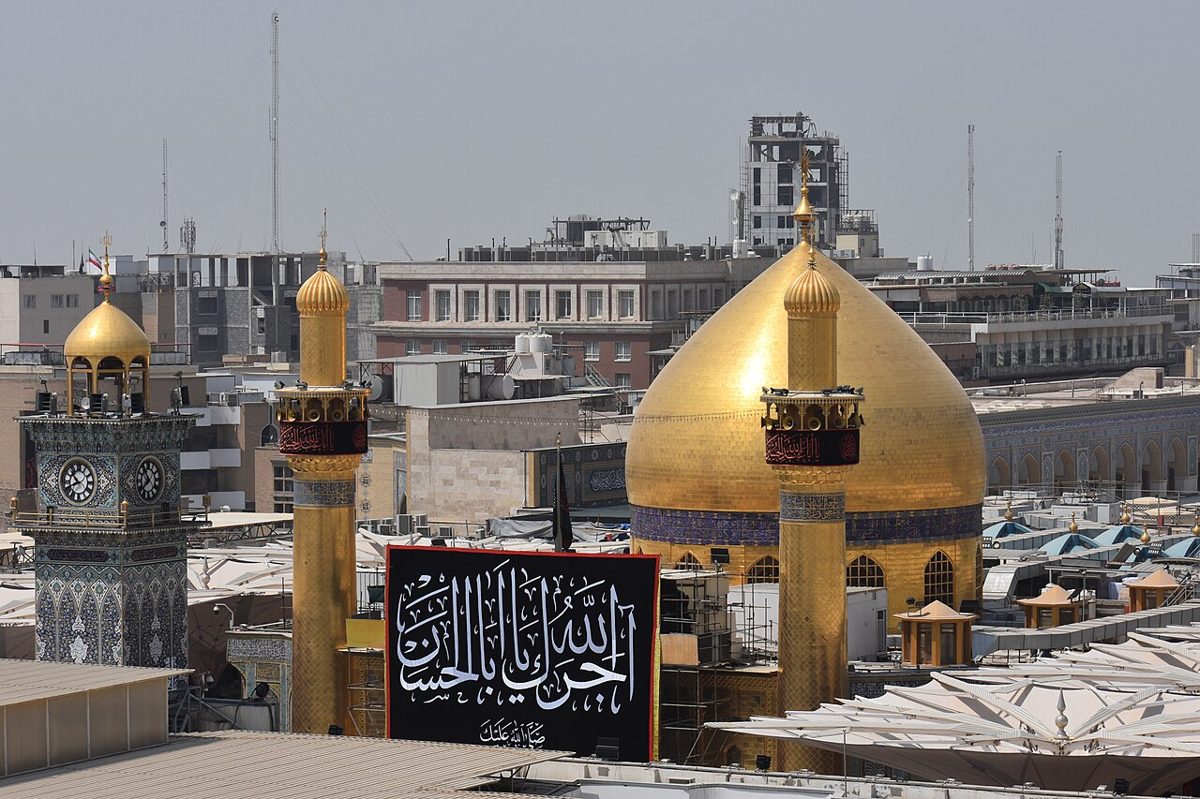
Najaf is one of the most important pilgrimage centers in the Shiite world. Air traffic between Iran and Iraq carries millions of pilgrims each year, as well as travelers for medical treatment, trade and study. The Iraqi side of the aviation sanctions is therefore both a domestic political and an economic issue for the Baghdad government. Iraq is trying to maintain a balance between Washington and Tehran.