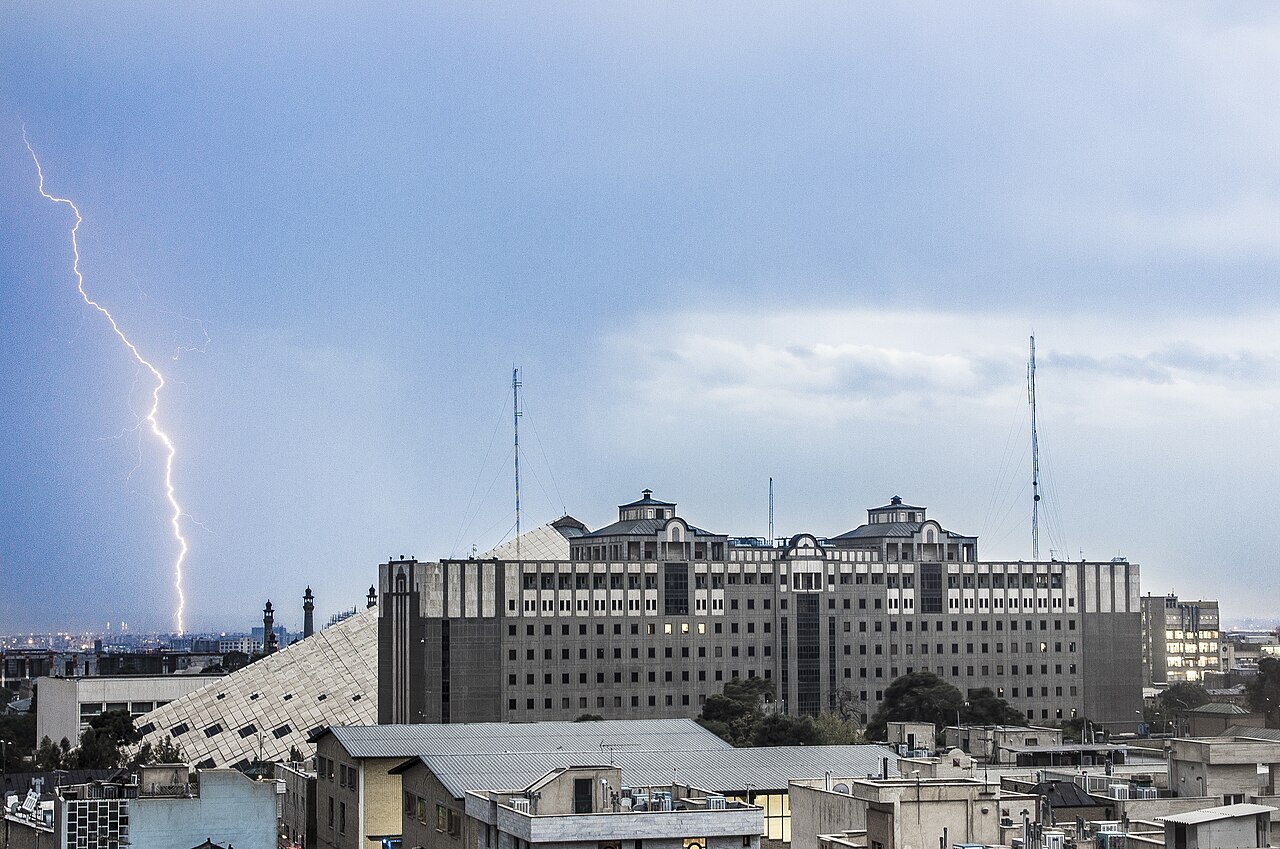
Ahmed Fatemi, a member of Iran's parliament's Budget Reconciliation Commission, has said that the government's proposed 35 percent salary increase for civil servants in the 1406 (2027-28) budget has "no justification" against official 88 percent inflation. According to Khabaronline, Fatemi warned that if the government submits the budget with that wage level, both the commission and the full parliament will oppose the bill's overall framework.
Fatemi responded to the government's 1406 budget circular and its projection of a gradual average 35 percent increase in state employee wages by saying, "As a member of the Budget Reconciliation Commission, I warn the government: implementing a 35 percent wage increase next year is an insult to civil servants and workers and a disrespect to parliament members." According to ISNA's account, Fatemi continued: "If the government submits the 1406 budget with a 35 percent salary increase, the Reconciliation Commission and parliament will object to its overall framework and send it back to the government; the government knows parliament's view, so it would be better not to waste parliament's time." Fatemi, also a member of parliament's Social Commission, added that wage increases must follow law—tracking inflation closely or at least matching it.
This statement aligns with data released earlier by the Statistical Center of Iran (SCI): for the month of Mehr (September 22–October 21), SCI recorded annual point inflation at 88.7 percent (Iran's annual inflation at 88.7%). Last year's budget saw a similar debate, with parliament adjusting the government's proposed 20 percent increase to a tiered range of 20 to 43 percent. When the government will formally submit this year's budget bill and at what rate remains unclear; Fatemi's statement amounts to an early warning to the government before the bill reaches parliament.
How the Persian press covered it
| Source (orientation) | Headline / framing |
|---|---|
| Khabaronline (Moderate conservative, Larijani circle) | Led with Fatemi's warning that parliament will reject the budget, emphasizing the threat of rejection. |
| ISNA (Semi-official, university-affiliated/moderate) | Reported the same statement, emphasizing "do not waste our time," framing it within government-parliament tension. |
Context
Background: Timeline of wage-inflation gap:
- October 29, 2026: The Statistical Center announced point inflation for Mehr at 88.7 percent annually.
- November 9, 2026: The government's 1406 budget circular became public, proposing a gradual average 35 percent wage increase for civil servants.
- November 9, 2026: Fatemi stated the increase inadequate against inflation, warning parliament may reject the bill.
- Previous budget cycle: The government's prior-year 20 percent wage proposal was adjusted by parliament discussions to a tiered range of 20 to 43 percent.
Who and what: Ahmed Fatemi is a member of Iran's parliament's Budget Reconciliation Commission (Komisyon-e Tatbik) and the Social Commission; this commission reconciles the government's annual budget proposal with the full parliament before general assembly vote.
By the numbers:
- Government's proposed wage increase: gradual average of 35 percent (1406 budget circular).
- Official annual point inflation: 88 percent (per Fatemi), or 88.7 percent per the Statistical Center's Mehr data.
- IMF's projected average consumer price inflation for 2026: 68.9 percent (World Economic Outlook).
- Central Bank's reported annual point inflation for the same period: 83.1 percent (below SCI; the two agencies use different methodologies and baskets).
What's next: When the government will submit the 1406 budget bill and at what wage-increase rate, and whether the Budget Reconciliation Commission accepts it, will dominate the coming weeks' agenda. As in last year's example, the final rate is expected to be raised during parliament debates.
This news story was translated from Persian press with AI assistance. The news organization listed is responsible for the content.