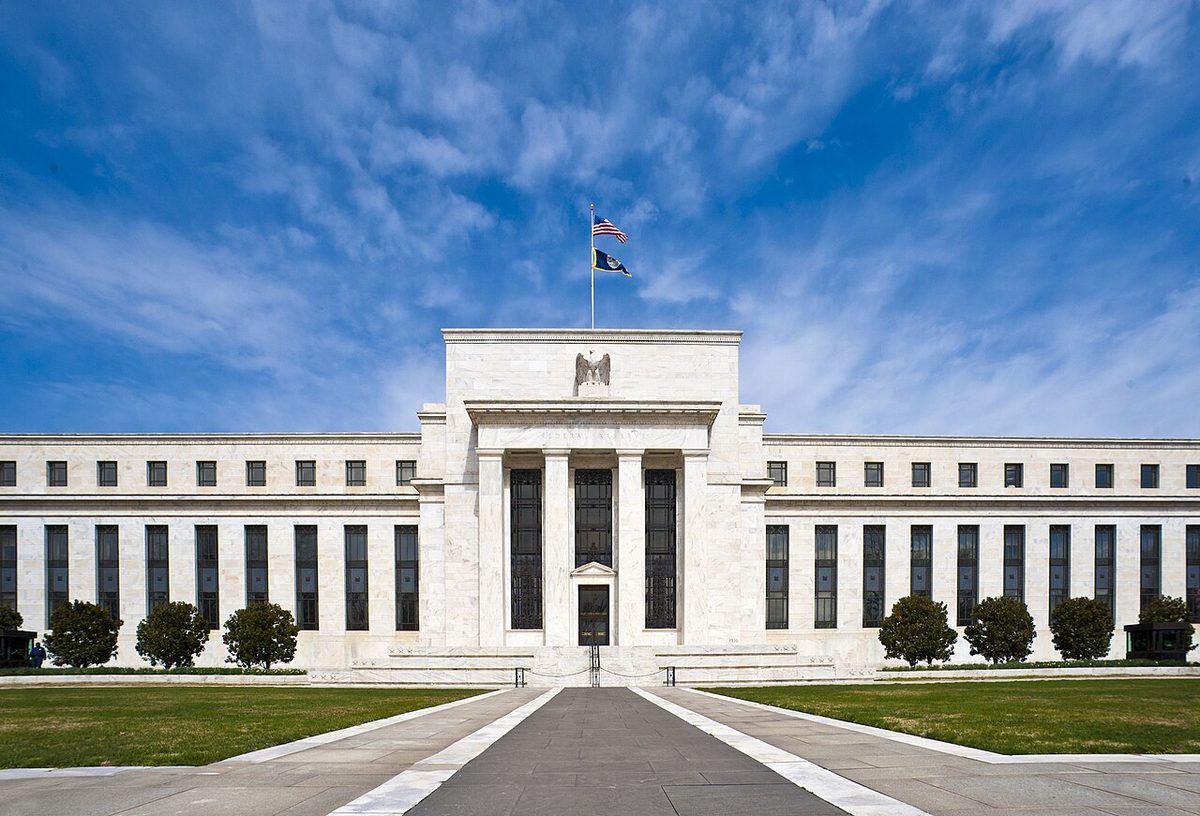
The U.S. Federal Reserve raised its policy rate for the first time since 2023, citing inflation pressures fueled by the Iran war. According to Kayhan, the Fed raised the benchmark rate by 25 basis points to 3.75–4 percent at its latest meeting—a move directly at odds with President Donald Trump's calls for rate cuts.
The Fed stated that inflation remains above its 2 percent target and tight monetary policy must continue, Kayhan reports. The bank said that Middle Eastern disruptions to crude oil and refined products supply could add roughly 0.6 percentage points to U.S. inflation in the fourth quarter of 2026, and that the war has disrupted the region's crude and product exports since February 2026, pushing oil and gasoline prices higher in global markets. According to the U.S. Congressional Budget Office, direct war costs reached approximately $38 billion through early August.
Former House Speaker Nancy Pelosi, as reported by ISNA, said Trump's "illegal war" against Iran has raised living costs and inflation for American families. According to Khabaronline, citing CNN and Moody's Analytics, the cumulative cost to the average U.S. household has reached about $2,000; energy costs have risen $1,100 per household, and at current fuel prices that figure climbs by $50 a week. Kayhan also cited international-relations scholar John Mearsheimer's assessment that Iran has "punished" the U.S. and its allies through a "war of attrition" by prolonging the conflict. According to the newspaper, the Fed's report also emphasizes that rising energy prices have cascading effects—not just fuel costs but transportation, production, and ultimately consumer prices.
How the Persian press covered it
| Source (orientation) | Headline / framing |
|---|---|
| Kayhan (hardline) | Presents the rate hike as evidence of Iran's "successful attrition strategy," emphasizing the U.S. economy is under multiple layers of pressure |
| ISNA (semi-official) | Reports Pelosi's intra-party criticism neutrally |
| Khabaronline (moderate conservative) | Relays CNN/Moody's household-cost data without comment |
No numerical contradictions exist between sources; the difference lies in which political framework wraps the same economic picture.
Context
The Fed's decision coincided the same week with the IMF's October 14 forecast of Iran's economic contraction; together, the two reports show that the war's cost is not confined to Iran but is reaching the U.S. economy. Because the U.S. carries $40 trillion in public debt, high interest rates mean the government faces roughly $1 trillion in interest payments this year—sharpening the dispute between the White House and the Fed. Trump wants rates at 1 percent or below; the Fed argues that early cuts could reignite inflation pressures while rates remain above target. Higher rates also lift mortgage, credit card, and auto-loan costs, meaning American households face the war's indirect expense both in energy bills and borrowing costs. This multifaceted impact of the war on energy, debt, and monetary policy shows that the conflict's economic reach extends far beyond the battlefield.
For information only; not investment advice.